
The Smart Way to Approach a Bali Villa Investment as an International Investor
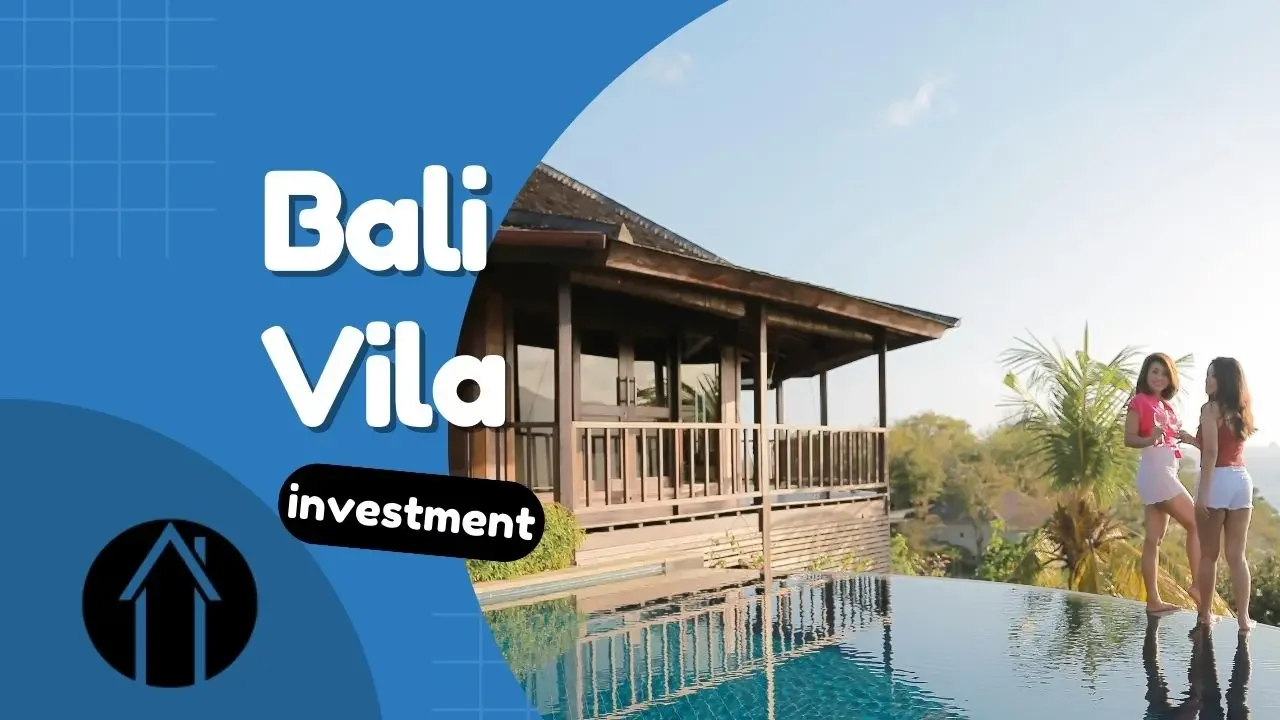
For U.S. and international investors, Bali has become more than a vacation destination. It is now one of the most compelling lifestyle-driven real estate markets in the world.
Yet many foreign buyers approach villa investment in Bali the same way they would purchase residential property in the United States, focusing on aesthetics, land size, or resale value alone.
In reality, a successful Bali villa investment is closer to launching a boutique hospitality business than buying a second home.
To perform at a high level, a villa must be strategically developed through every stage: concept, design, build, manage, and ultimately deliver a guest experience that drives long-term revenue and asset appreciation.
Why Bali Remains a Strategic Opportunity for the U.S. Investors
Bali continues to attract global travelers seeking private villas rather than traditional hotels. Several structural advantages support this demand:
Strong international brand recognition
Year-round tourism flow
High preference for private pool villas
Competitive development costs compared to U.S. coastal markets
For American investors looking to diversify geographically, Bali offers the opportunity to combine lifestyle flexibility with structured rental income.
However, returns are not automatic. Execution determines outcome.
Stage One: Concept and Feasibility
Before purchasing land or hiring an architect, a strategy must be defined.
A clear concept answers critical questions:
Who is the target guest? Families, couples, digital nomads, or high-end retreat groups?
Which location aligns with that segment—Ubud, Canggu, Uluwatu, or beachfront areas?
What is the projected occupancy and average daily rate?
What is the realistic net yield after operating costs?
Many investors make the mistake of designing based on personal taste rather than rental performance.
Concept determines profitability. A villa designed for Instagram aesthetics alone may not deliver sustainable revenue.
Stage Two: Design That Drives Revenue
In Bali’s competitive rental market, design directly influences pricing power.
Key revenue-driving design decisions include:
Optimal bedroom count (often 3–5 bedrooms outperform oversized layouts)
Seamless indoor–outdoor flow suited to tropical living
Shaded areas and cross-ventilation for climate comfort
Durable material selection for humidity resistance
Timeless architectural language rather than trend-based overdesign
Overbuilding increases capital expenditure without necessarily increasing ADR. The most successful villas are not the most extravagant, they are the most strategically designed.
Stage Three: Construction and Quality Control
Construction quality is where many overseas investors face risk.
Bali’s tropical climate introduces challenges unfamiliar to U.S.-based owners:
High humidity
Heavy rainfall
Salt exposure in coastal zones
Rapid vegetation growth
Material selection, waterproofing systems, drainage planning, and structural detailing must be carefully engineered.
Without strict quality control and on-site supervision, shortcuts during construction can lead to:
Long-term structural issues
Increased maintenance costs
Reduced resale value
Professional oversight during the build phase protects both capital investment and operational durability.
Stage Four: Structuring the Villa for Rental Performance
A villa does not become a rental asset the day it is listed online.
Rental performance begins before launch.
Key components include:
Licensing and operational structuring
Brand positioning and naming strategy
Professional photography and visual identity
Revenue forecasting
Multi-channel distribution planning
Pre-opening marketing strategy
Investors who treat rental setup as an afterthought often struggle with early underperformance that is difficult to reverse.
Stage Five: Management and Operational Excellence
Once operational, consistent performance depends on disciplined management.
Professional villa management includes:
Dynamic pricing based on seasonality and demand cycles
Staff recruitment, training, and supervision
Preventive maintenance scheduling
Guest communication and concierge services
Monthly financial reporting for overseas owners
For U.S.-based investors managing remotely, structured reporting and transparency are essential.
Without professional systems, revenue leakage and deferred maintenance can significantly reduce long-term ROI.
Stage Six: Experience as a Value Multiplier
In Bali’s luxury segment, guest experience drives long-term value.
High guest satisfaction results in:
Strong review scores
Increased pricing power
Repeat bookings
Referral growth
Enhanced resale positioning
A villa that consistently delivers exceptional experiences evolves from a simple property into a recognized hospitality asset.
Experience is not an accessory, it is a valuation multiplier.
The Risk of Fragmented Execution
Many foreign investors hire:
An architect without rental insight
A contractor without a hospitality perspective
A property manager was brought in after construction
This fragmented approach often creates misalignment:
Design features that do not translate into revenue
Construction decisions that complicate maintenance
Operational challenges rooted in early planning mistakes
When concept, design, build, and management operate in isolation, inefficiencies compound.
Why an Integrated Model Outperforms
An integrated lifecycle approach aligns every stage of development with rental performance objectives.
This model ensures:
Revenue-focused design decisions
Construction quality aligned with operational durability
Early planning for staffing and maintenance systems
Unified brand positioning
Long-term asset lifecycle planning
For international investors, integration reduces risk and accelerates performance.
The Villasa Model
For investors seeking a structured pathway from idea to operation, firms that integrate concept development, architectural planning, construction oversight, and professional management provide strategic advantages.
Villasa operates with this integrated philosophy—supporting investors from early feasibility discussions through design coordination, build supervision, rental positioning, and long-term hospitality management.
By aligning every phase of development under a single strategic framework, investors gain operational continuity, financial transparency, and long-term asset protection.
Turning a Bali Villa Into a Structured Investment Asset
Bali continues to offer compelling upside for international investors. Yet success depends less on location alone and more on disciplined execution across the full investment lifecycle.
A villa investment should not be approached as a passive property purchase. It is a structured hospitality enterprise that requires:
Strategic concept development
Revenue-driven design
Durable construction
Professional management
Exceptional guest experience
When these stages are aligned from the outset, a Bali villa can deliver not only lifestyle enjoyment, but sustainable rental income and long-term capital growth.
For U.S. and international investors entering the Bali market, treating the process holistically, from concept to guest experience, is what transforms a beautiful property into a high-performing investment asset.