
How MT Vacation Rentals Generate Strong Seasonal Returns
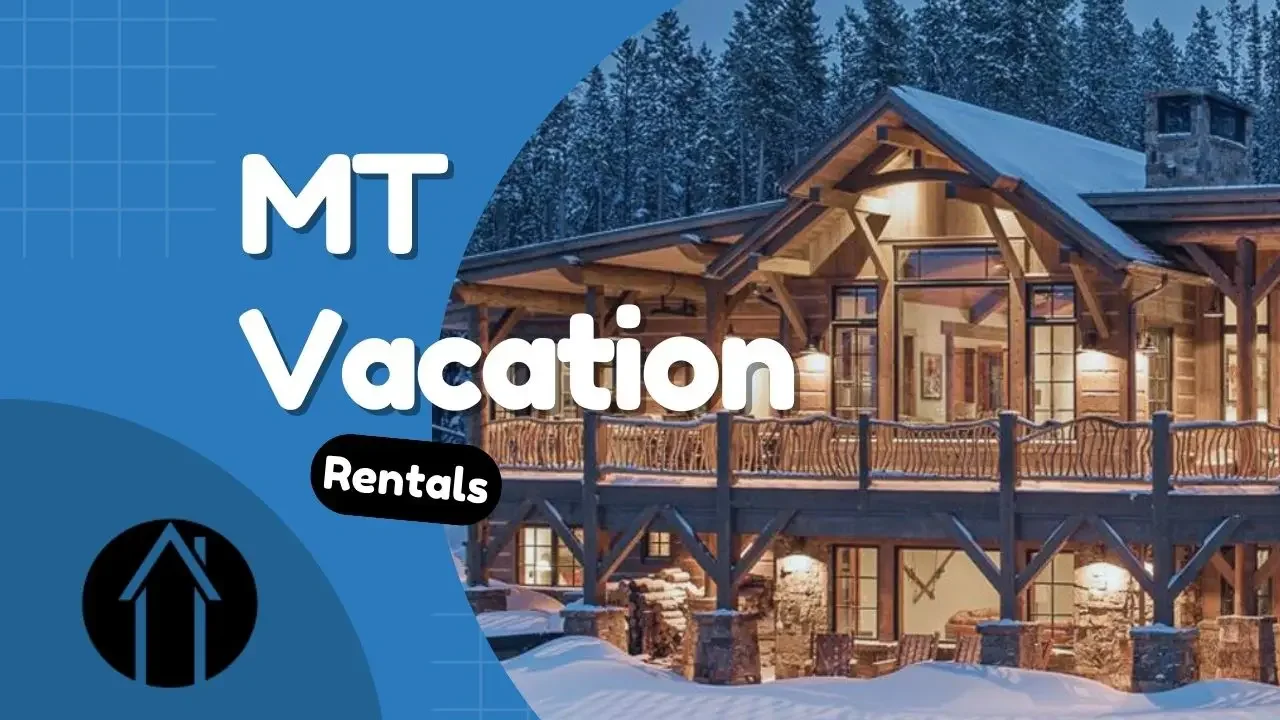
The U.S. mountain real estate market has evolved into one of the most resilient lifestyle-driven asset classes in recent years. Among these destinations, mt vacation rentals have gained increasing attention from investors seeking stable returns, capital preservation, and year-round tourism demand.
Montana’s unique combination of wide-open landscapes, luxury ski resorts, and proximity to iconic natural landmarks makes it an ideal location for structured short-term rental investments. But like any hospitality asset, performance depends on strategy, positioning, and professional oversight.
What Are MT Vacation Rentals?
MT vacation rentals refer to short-term rental properties across Montana that are designed to host leisure and seasonal travelers. These properties typically include:
Luxury ski-in/ski-out residences
Riverfront cabins near fly-fishing destinations
Mountain-view estates
Private forest retreats
However, not all rentals are created equal.
Related article: Montana Vacation Property
There is a significant difference between:
A casually listed second home
A professionally structured vacation rental asset
The latter operates with defined pricing models, maintenance systems, guest experience standards, and performance tracking.
Why Montana Is a Strong Market for Vacation Rentals
Several structural advantages support the MT vacation rentals market.
1. Year-Round Tourism Demand
Montana is not limited to a single travel season.
Winter: Ski demand around Big Sky and other mountain regions
Summer: Hiking, fly fishing, ranch experiences, and national park tourism
Shoulder seasons: Corporate retreats and remote-work stays
The proximity to Yellowstone National Park further strengthens international visitation.
2. Limited Inventory & Land Stability
Montana’s low-density development policies and vast protected land areas create natural supply constraints. Limited buildable inventory supports long-term land value stability, an attractive factor for investors focused on capital preservation.
Key Locations for MT Vacation Rentals
Certain markets consistently demonstrate strong performance potential:
Big Sky
High-end ski market with strong winter ADR performance and international appeal.
Bozeman
Rapidly growing city with university influence and diversified year-round demand.
Whitefish
Luxury alpine charm with strong seasonal pricing upside.
Each region offers distinct positioning opportunities depending on investment strategy.
Financial Performance Drivers of MT Vacation Rentals
Investors evaluating MT vacation rentals should focus on measurable metrics:
Occupancy Rate
Consistency across peak and shoulder seasons.
Average Daily Rate (ADR)
Winter holidays and ski season often drive premium pricing.
Revenue Per Available Night
Balancing occupancy and rate optimization.
Net Operating Income (NOI)
Revenue minus operating expenses such as snow removal, heating, housekeeping, and management fees.
Mountain markets can produce strong seasonal revenue spikes, but only when pricing and marketing are strategically managed.
Operational Challenges in Montana Vacation Rentals
While attractive, MT vacation rentals require specialized oversight.
Winterization
Cold temperatures demand proper insulation, pipe protection, and heating system maintenance.
Snow & Roof Load Management
Heavy snowfall requires regular monitoring to protect structural integrity.
Remote Ownership Risks
Many owners live out-of-state, increasing reliance on local oversight.
Staffing & Service Quality
Maintaining hospitality standards in low-density areas requires structured staffing systems.
Without professional management, operational risks can quickly erode profitability.
Why Professional Management Is Critical
A well-run MT vacation rental operates like a boutique hospitality asset.
Professional management directly impacts:
Dynamic seasonal pricing models
High-net-worth guest targeting
Quality-controlled housekeeping
Preventive maintenance planning
Transparent owner reporting
Performance is not passive—it is actively engineered.
Investors who treat their property as a structured hospitality investment consistently outperform casual landlords.
MT Vacation Rentals as a Hybrid Asset
One of the strongest advantages of investing in MT vacation rentals is their hybrid nature.
Investors benefit from:
Short-term rental income
Long-term land appreciation
Lifestyle flexibility for personal stays
Strong resale positioning in supply-constrained markets
In markets like Montana, scarcity enhances long-term value protection.
Who Should Invest in MT Vacation Rentals?
This asset class is particularly suited for:
High-net-worth individuals seeking lifestyle-driven investments
Portfolio diversifiers expanding into hospitality real estate
Investors prioritizing hard U.S. assets
Buyers seeking dual-use luxury properties
For these investors, success depends on combining acquisition discipline with a structured operational strategy.
Turning MT Vacation Rentals into Structured Investment Assets
The MT vacation rentals market presents compelling upside—but only when managed strategically.
The difference between a seasonal holiday home and a high-performing rental asset lies in:
Market positioning
Revenue optimization
Preventive maintenance systems
Professional oversight
With the right operational framework, MT vacation rentals can deliver both reliable income and long-term capital stability, making Montana one of the most compelling luxury mountain markets in the United States today.