
How to Build a Villa in Bali as an International Investor
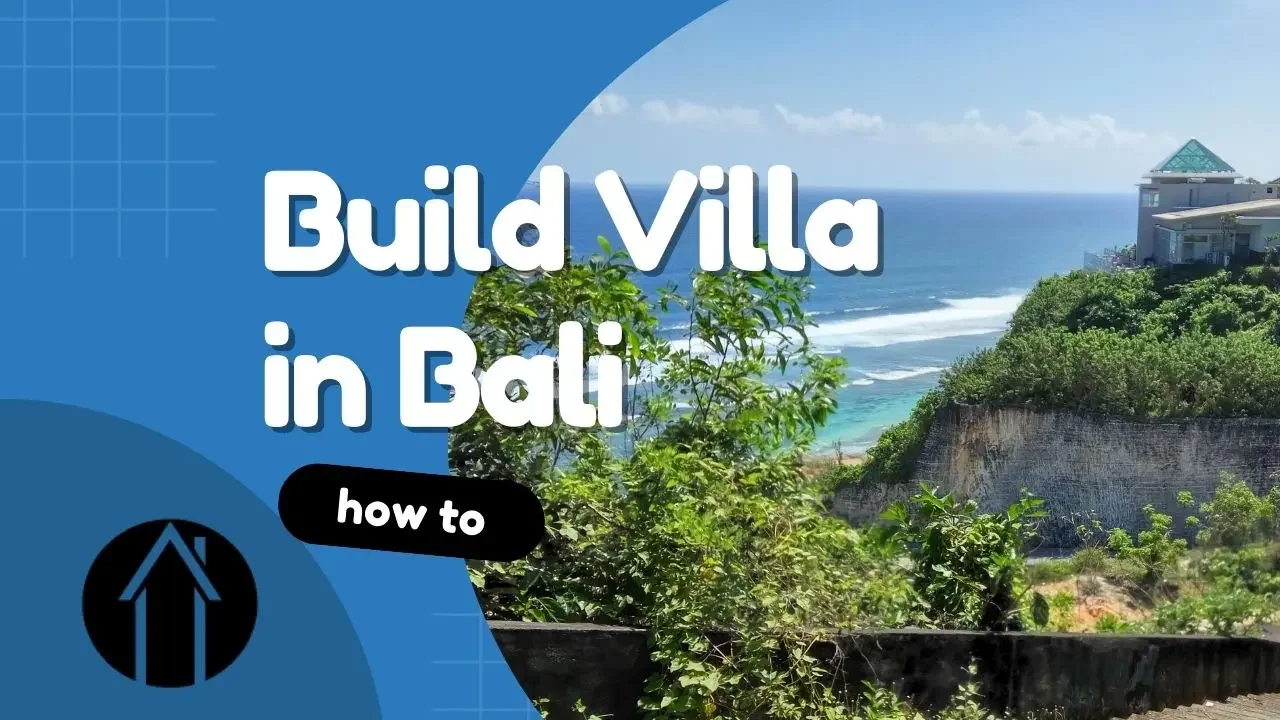
For international investors exploring real estate opportunities in Southeast Asia, one question appears frequently: how do you build a villa in Bali?
Over the past decade, Bali has evolved into one of the most attractive destinations for lifestyle-driven property investment. Unlike many global markets dominated by hotels or apartments, travelers visiting Bali strongly prefer private villas. This demand has created a thriving market for luxury rental properties.
However, building a villa in Bali is very different from developing residential real estate in the United States or Europe. A successful project requires careful planning, design decisions that align with rental demand, and professional oversight throughout construction and operations.
For investors entering the Bali market, understanding the full process is essential.
Why Many Investors Choose to Build Instead of Buy
When evaluating Bali real estate, investors typically face two options: purchasing an existing property or developing a villa from the ground up.
Many experienced investors prefer building for several reasons.
Design Control
Developing a property allows investors to design a villa specifically tailored for modern travelers rather than adapting an older structure.
Higher Rental Potential
Layouts, amenities, and architectural features can be optimized for rental performance rather than personal preferences.
Long-Term Asset Quality
New construction allows greater control over materials, engineering standards, and durability, especially important in Bali’s tropical climate.
Competitive Differentiation
A well-designed villa can stand out in Bali’s increasingly competitive luxury rental market.
Of course, building also introduces additional complexities that require careful planning.
Choosing the Right Location in Bali
Location is one of the most important decisions when planning to build a villa in Bali.
Different areas attract different types of travelers and influence both rental demand and pricing power.
Canggu
Canggu has become one of Bali’s most dynamic districts, attracting digital nomads, surfers, and younger travelers seeking trendy cafés and beach culture.
Uluwatu
Known for dramatic cliffside views and luxury developments, Uluwatu has seen growing demand for high-end villas with ocean panoramas.
Ubud
Located inland among rice terraces and jungle landscapes, Ubud attracts wellness travelers, retreat groups, and nature-focused visitors.
Seminyak
As one of Bali’s most established tourism districts, Seminyak offers strong demand due to its restaurants, shopping, and nightlife.
Investors should align location with their target guest segment to maximize long-term rental performance.
Designing a Villa That Performs Well in the Rental Market
In Bali’s villa market, architecture plays a significant role in determining rental performance.
Successful designs often include:
Open indoor-outdoor living spaces
Private pools positioned for natural views
Large communal areas for group travel
Bedrooms with ensuite bathrooms
Natural light and cross-ventilation suited to tropical climates
Most high-performing villas fall within the three to five bedroom range, offering enough space for families or groups while maintaining manageable construction costs.
Visual appeal also matters. Unique architecture and photogenic design often influence guest bookings and online visibility.
Ultimately, design decisions directly impact a property’s Average Daily Rate (ADR) and occupancy potential.
Construction Considerations in Bali
Building in Bali introduces environmental and logistical factors unfamiliar to many foreign investors.
Tropical Climate
High humidity, heavy rainfall, and coastal salt exposure can accelerate wear on building materials if not properly addressed.
Material Selection
Natural stone, hardwoods, and weather-resistant finishes are often used to ensure durability in tropical conditions.
Drainage and Waterproofing
Proper engineering is essential to prevent water damage during Bali’s rainy season.
Construction Oversight
For investors who do not live in Bali, supervising contractors and maintaining construction timelines can be challenging without experienced local teams.
Quality control during construction is essential to ensure long-term durability and reduce future maintenance costs.
Preparing the Villa for the Rental Market
A common mistake investors make is treating rental preparation as an afterthought.
In reality, a villa’s rental performance should be planned well before construction finishes.
Important steps include:
Operational licensing and compliance
Interior styling and furnishing for hospitality standards
Professional photography and branding
Pricing strategy based on comparable properties
Distribution across booking platforms
Launching a villa with a strong market strategy can significantly accelerate occupancy during the first months of operation.
Managing the Villa After Construction
Once construction is complete, the villa transitions into a hospitality business.
Successful operations require:
Staff recruitment and training
Guest communication and concierge services
Preventive maintenance scheduling
Dynamic pricing adjustments
Financial reporting for owners
For international investors managing a property remotely, professional villa management ensures consistent service quality and long-term asset protection.
Without structured operations, even beautifully designed villas may struggle to achieve strong rental performance.
The Advantage of an Integrated Development Approach
Many investors approach villa development by hiring separate teams for architecture, construction, and property management.
While this approach is common, it can create misalignment between design decisions, construction standards, and operational requirements.
An integrated model—where concept development, design, construction oversight, and management are coordinated—often leads to stronger results.
This approach ensures that every stage of development supports the villa’s long-term performance as a rental asset.
Building a Villa in Bali as a Long-Term Investment
Building a villa in Bali offers international investors the opportunity to combine lifestyle benefits with structured rental income.
Yet success depends on much more than location or design. It requires thoughtful planning, professional construction oversight, and operational discipline after launch.
For investors entering the Bali market, working with experienced teams who understand both property development and hospitality management can significantly reduce risk and improve long-term returns.
Companies like Villasa support investors across the full lifecycle of villa development, from early concept and design coordination to construction oversight, rental strategy, and guest experience management, helping transform villa projects into sustainable hospitality assets.
When approached strategically, building a villa in Bali can become more than a real estate investment. It can become a high-performing lifestyle asset in one of the world’s most sought-after destinations.