
Short-Term Trends vs Long-Term Strategy in Bali Villa Investment
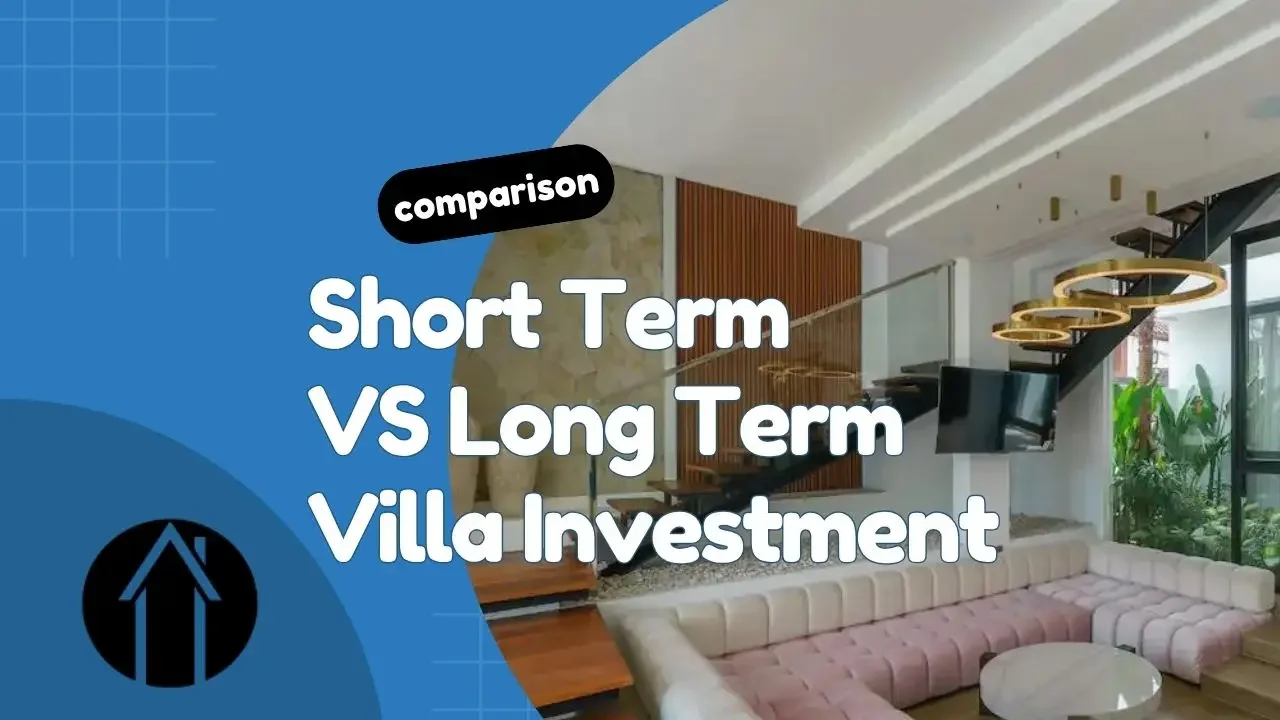
In Bali’s fast-moving hospitality market, it is easy to become distracted by short-term trends.
A villa style has suddenly become popular on social media. A particular area experiences rapid hype. New design aesthetics appear everywhere almost overnight.
For investors entering Bali, this environment can create pressure to chase immediate attention rather than build long-term value.
Yet many of the villas that continue performing year after year tend to share a different characteristic:
👉 They were designed with longevity in mind from the beginning.
The Difference Between Attention and Sustainability
Some villas attract strong attention during launch periods because they feel trendy or visually viral.
However, short-term visibility does not always translate into long-term performance.
Over time, trend-driven properties may struggle with:
outdated aesthetics
weak operational planning
maintenance challenges
declining guest differentiation
Sustainable villas usually focus less on temporary hype and more on creating experiences that remain desirable over many years.
Bali’s Hospitality Market Is Becoming More Sophisticated
Traveler expectations in Bali continue evolving.
Guests today increasingly value:
emotional atmosphere
operational consistency
authenticity
thoughtful design
personalized hospitality
As the market matures, villas that rely only on visual trends often become easier to replace.
Properties built around deeper hospitality thinking tend to maintain stronger long-term relevance.
Long-Term Thinking Starts During Concept Development
Sustainable villa performance rarely begins after construction.
It usually starts much earlier through decisions involving:
target audience
architectural direction
operational practicality
maintenance strategy
hospitality flow
When these elements are aligned early, the villa often feels more cohesive over time.
This also reduces the need for constant reactive changes later.
Durable Design Usually Outperforms Trend-Driven Design
Timeless villas often balance:
natural materials
practical layouts
emotional warmth
climate responsiveness
architectural simplicity
Rather than chasing trends aggressively, they focus on creating environments that guests continue enjoying regardless of changing aesthetics.
This approach also tends to age more gracefully in Bali’s tropical climate.
Long-Term Performance Depends on Operational Stability
Even exceptional architecture eventually loses strength if operations become inconsistent.
Long-term hospitality performance depends heavily on:
maintenance quality
staff consistency
guest communication
operational systems
responsiveness
The villas that maintain strong reputations over time are usually operationally disciplined behind the scenes.
Why Guest Psychology Matters Over Time
Guests increasingly choose villas based on emotional perception rather than technical specifications alone.
Properties that feel:
calming
intentional
immersive
memorable
Often creates stronger long-term guest connections.
This emotional quality tends to remain valuable even as market trends shift.
Sustainable Investments Usually Avoid Overbuilding
One common mistake among newer investors is prioritizing scale over experience.
Larger villas with excessive features may initially appear impressive, but can later create:
operational inefficiency
higher maintenance pressure
inconsistent guest flow
weaker emotional intimacy
Many long-term hospitality-focused properties instead emphasize balance, functionality, and atmosphere.
Why Integrated Strategy Creates More Resilient Villas
The strongest long-term villa investments often emerge from alignment between:
concept
architecture
operations
maintenance systems
branding
guest experience
When these areas evolve together, villas tend to remain more adaptable and operationally stable over time.
This is why many experienced investors increasingly prefer hospitality-focused development approaches rather than treating design, construction, and operations as isolated decisions.
Companies like Villasa work within this integrated model, helping investors create villas designed not just for launch-day appeal, but for long-term operational sustainability and guest relevance.
Why Short-Term Thinking Often Creates Long-Term Problems
Some recurring issues include:
prioritizing trends over timelessness
reducing build quality to save upfront costs
ignoring maintenance planning
designing without operational practicality
focusing only on initial occupancy projections
These decisions may create short-term momentum, but often weaken long-term resilience.
FAQ — Long-Term Bali Villa Investment
Why is long-term thinking important in Bali villa investment?
Because hospitality markets evolve quickly, and sustainable performance depends on more than initial popularity.
What makes a villa timeless?
Strong design balance, operational practicality, emotional atmosphere, and hospitality consistency.
Do trend-driven villas underperform over time?
Some can lose relevance faster if they rely too heavily on temporary aesthetics without deeper positioning.
How important are operations for long-term success?
Very important. Operational consistency strongly influences guest trust and reputation.
Why do integrated hospitality strategies matter?
Because long-term performance usually depends on alignment between design, operations, maintenance, and guest experience.
Building Villas That Continue to Matter
Bali’s hospitality market will continue evolving, and guest expectations will continue changing alongside it.
The villas most likely to remain successful are rarely those built only for short-term visibility. Instead, they are the ones designed around enduring experiences, operational consistency, and thoughtful long-term positioning.
For investors, this means the goal is no longer simply to build something attractive today, it is to create a hospitality asset capable of remaining emotionally relevant and operationally strong for many years into the future.