
Vacation for Rental in Bali as a Strategic Investment for International Buyers
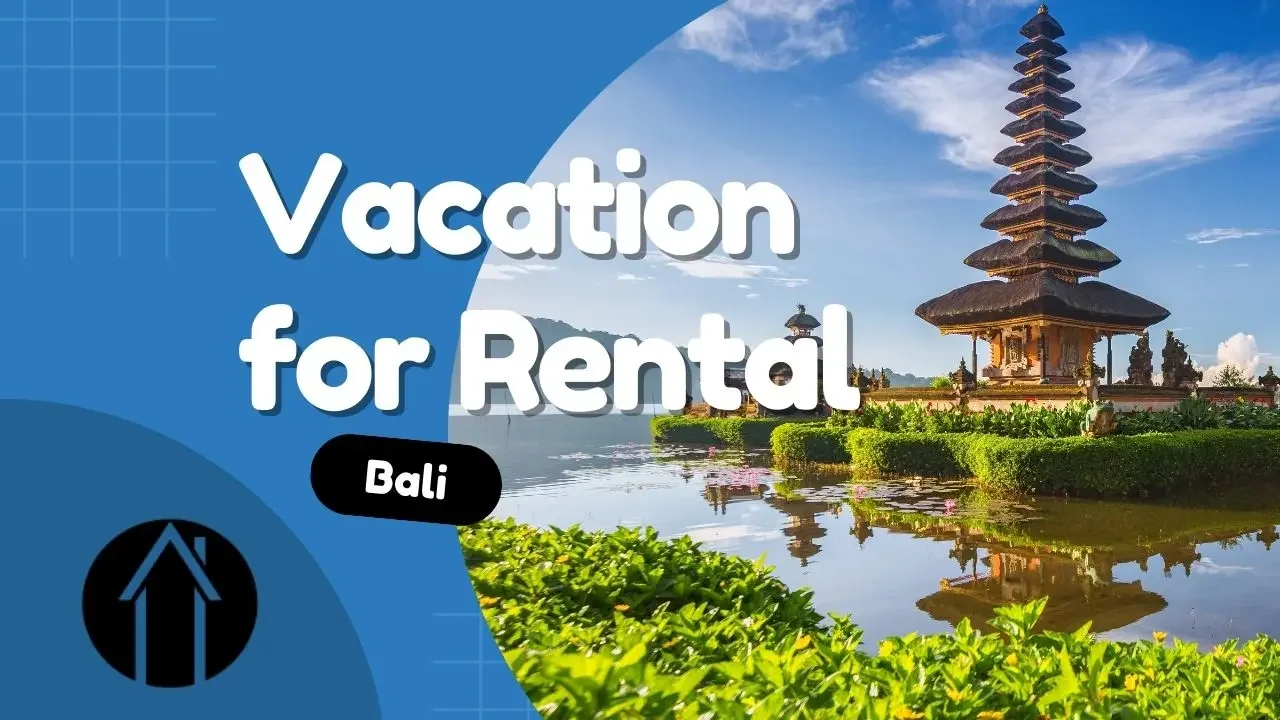
Over the past decade, Bali has evolved from a leisure destination into a globally recognized real estate investment market. International buyers from Australia, Europe, and North America are increasingly acquiring villas not only for personal enjoyment, but to structure them as vacation for rental assets.
However, there is a critical distinction between owning a holiday home and operating a performing rental investment.
In Bali, success depends on strategy, operational structure, and professional management.
What Does “Vacation for Rental” Mean in the Bali Market?
In practical terms, a vacation for rental property in Bali is a villa designed or positioned to generate short-term rental income while preserving long-term asset value.
This model differs significantly from:
A purely personal second home
A long-term leased property
A casually listed villa without structured operations
A properly structured vacation for rental asset operates as a boutique hospitality product. It requires revenue management, guest service systems, maintenance planning, and financial reporting, especially for absentee foreign owners.
Why Bali Outperforms Many Global Vacation Rental Markets
Bali holds several structural advantages that make it attractive to international investors.
1. Year-Round International Tourism
Unlike highly seasonal destinations, Bali benefits from consistent global demand. While peak periods command premium rates, shoulder seasons still maintain healthy occupancy in prime villa locations.
2. Strong Preference for Private Villas
Bali is one of the few global markets where private pool villas often outperform hotel rooms in traveler preference. International guests actively seek:
Full-property privacy
Dedicated staff
Outdoor living spaces
Immersive local experiences
This demand supports strong Average Daily Rates (ADR) when villas are properly positioned.
3. Competitive Entry Pricing Compared to Western Markets
Compared to Mediterranean or U.S. luxury markets, Bali often offers more accessible acquisition pricing with attractive yield potential, provided the property is professionally managed.
Financial Structure of a Successful Vacation for Rental Property
Investors should evaluate a Bali vacation for a rental asset through clear financial metrics:
Occupancy Rate
Performance varies by location (Ubud, Seminyak, Uluwatu, Canggu), but premium villas with strong management can achieve consistent year-round occupancy.
Average Daily Rate (ADR)
Luxury positioning and guest experience significantly influence pricing power.
Operating Expenses
Costs typically include:
Staffing (housekeeping, security, maintenance)
Utilities
Repairs and preventive maintenance
Management fees
Marketing expenses
Gross vs Net Yield
Understanding net operating income (NOI) is critical. High gross revenue without cost control can reduce true profitability.
Professional forecasting and transparent reporting are essential for international investors.
Operational Realities Foreign Investors Must Understand
Owning a villa remotely in Bali involves unique operational complexities.
Tropical Climate Impact
Humidity, rainfall, and coastal exposure accelerate material wear. Without structured preventive maintenance, long-term repair costs can escalate.
Staffing and Service Standards
International guests expect hospitality comparable to high-end resorts. Managing local teams requires training, supervision, and consistent quality control.
Compliance and Operational Transparency
Licensing and operational structuring must be handled professionally. For overseas owners, clear monthly financial reporting and performance transparency are non-negotiable.
Remote Ownership Risks
Self-managing from abroad often leads to:
Inconsistent guest experiences
Revenue underperformance
Deferred maintenance
Financial opacity
A professional vacation for rental management mitigates these risks.
The Role of Professional Management in Rental Performance
A structured management approach directly influences ROI.
Professional oversight ensures:
Dynamic seasonal pricing adjustments
Multi-channel distribution strategies
Reputation management and review optimization
Preventive maintenance planning
Clear financial reporting
For example, full-service operators like Villasa integrate construction oversight, rental positioning, and asset preservation into one cohesive framework, ensuring that properties are not only attractive but operationally resilient.
Common Mistakes International Investors Make
Foreign investors entering Bali often underestimate the operational discipline required.
Frequent missteps include:
Selecting low-cost managers focused only on occupancy
Ignoring maintenance budgets
Overestimating peak-season revenue
Neglecting brand positioning
Failing to track performance metrics
In a competitive luxury villa market, operational precision determines profitability.
Vacation for Rental as a Hybrid Asset in Bali
A well-structured Bali vacation for rental property offers multiple benefits:
Short-term rental income
Long-term capital appreciation
Personal usage flexibility
Enhanced resale positioning with rental track record
As global demand for private villa stays continues, professionally managed properties are positioned to outperform casual listings.
Who Is the Ideal Investor for a Bali Vacation for Rental?
This model is particularly suited for:
Overseas investors seeking passive income
High-net-worth individuals diversifying real estate portfolios
Lifestyle investors wanting dual-use properties
Developers launching boutique luxury projects
For these investors, Bali represents opportunity, but only when structured correctly from the outset.
Structuring a Bali Vacation for Rental as a Performing Asset
Bali remains one of the world’s most attractive destinations for villa investment. Its global brand, year-round demand, and strong traveler preference for private residences create compelling upside potential.
However, performance is not automatic.
A successful vacation for a rental strategy requires:
Strategic acquisition
Revenue-focused positioning
Structured operations
Long-term asset protection
For international investors, professional management is not simply a convenience, it is the foundation that transforms a Bali villa into a sustainable, income-generating hospitality asset.