
Vacation Rental Houses as High Performance Investment Properties
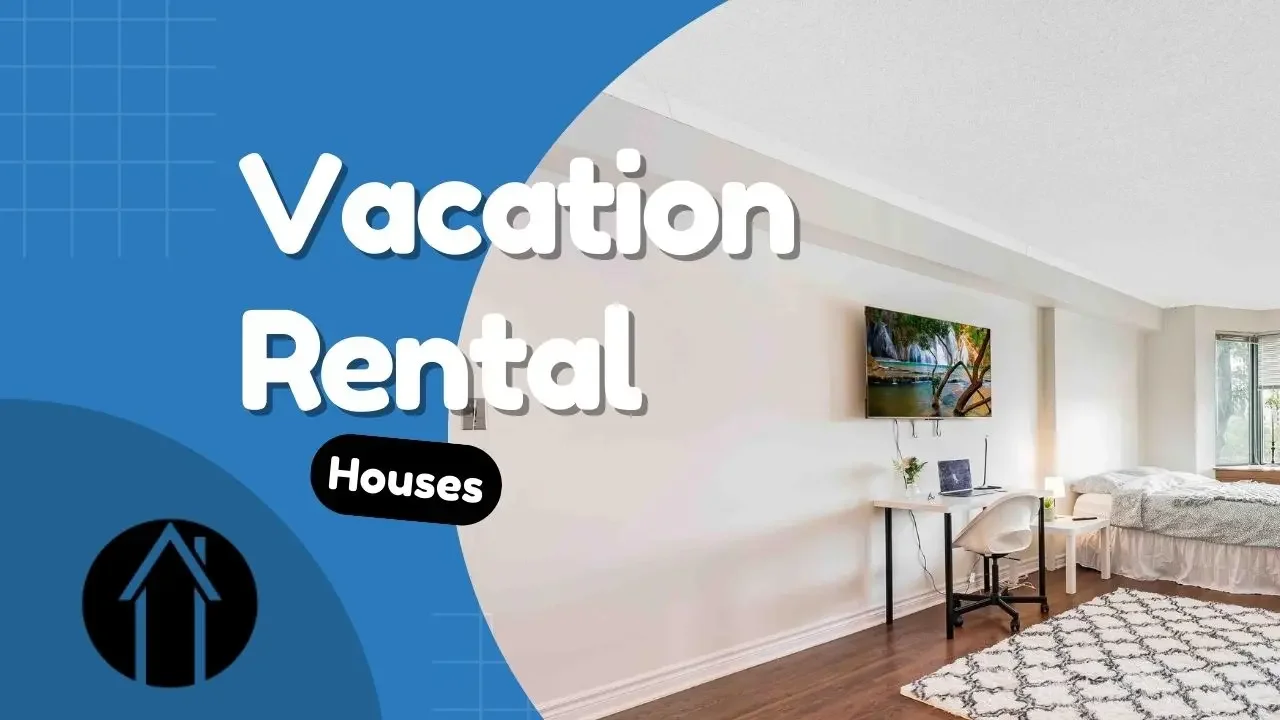
The global hospitality landscape has shifted dramatically over the last decade. Travelers are increasingly choosing private homes over traditional hotels, prioritizing privacy, space, and personalized experiences. As a result, vacation rental houses have emerged as one of the most attractive hybrid real estate assets, combining lifestyle benefits with structured income potential.
For investors, however, owning a vacation rental house is not simply about purchasing a beautiful property. Performance depends on positioning, operational discipline, and professional management.
What Are Vacation Rental Houses?
Vacation rental houses are private residential properties offered for short-term stays. Unlike apartments or condominiums, these houses typically provide:
Entire-property privacy
Private outdoor areas
Multiple bedrooms for families or groups
Premium amenities such as pools, gardens, or mountain views
From an investment perspective, it is essential to distinguish between:
A second home used occasionally by the owner
A long-term leased property
A professionally managed vacation rental house structured for revenue optimization
The third category operates as a hospitality asset, not merely a residence.
Why Vacation Rental Houses Are in High Demand
Several structural trends are driving demand for vacation rental houses worldwide.
Privacy and Space
High-net-worth travelers and families prefer full-property exclusivity over shared hotel environments. Private pools, gardens, and expansive living areas command premium nightly rates.
Multi-Generational and Group Travel
Vacation rental houses accommodate larger groups comfortably, making them ideal for family reunions, weddings, and corporate retreats.
Lifestyle-Oriented Travel
Today’s travelers seek immersive experiences. Staying in a house allows guests to experience a destination more authentically than a traditional hotel stay.
Key Markets for Vacation Rental Houses
Location plays a decisive role in performance.
Tropical Destinations
Markets such as Bali continue to attract international demand for private pool villas, supported by year-round tourism.
Mountain Destinations
Luxury mountain homes in states like Montana benefit from ski seasons, summer outdoor recreation, and limited inventory supply.
Coastal Luxury Markets
Oceanfront homes in premium coastal areas maintain strong pricing power due to scarcity and lifestyle appeal.
In each case, destination positioning directly influences occupancy and Average Daily Rate (ADR).
Financial Drivers of Successful Vacation Rental Houses
Investors evaluating vacation rental houses should focus on measurable performance metrics:
Occupancy Rate
Consistency of bookings throughout peak and shoulder seasons.
Average Daily Rate (ADR)
The ability to command premium pricing based on amenities and positioning.
Seasonal Demand Patterns
Understanding high-demand periods and optimizing pricing accordingly.
Operating Costs
Utilities, staffing, maintenance, property taxes, and management fees.
Net Operating Income (NOI)
The ultimate indicator of investment performance.
Without structured oversight, these variables can fluctuate unpredictably.
Operational Challenges of Managing Vacation Rental Houses
Vacation rental houses require more complex oversight than smaller units.
Maintenance Complexity
Larger properties involve pools, gardens, HVAC systems, and structural upkeep.
Climate-Related Wear
Tropical humidity or mountain winters accelerate property deterioration without preventive care.
Staffing and Housekeeping
Service consistency directly affects guest reviews and revenue potential.
Remote Ownership Risks
Many investors live abroad, requiring reliable local management systems.
Managing these variables without professional support can reduce both profitability and long-term asset value.
Why Professional Management Is Essential
The difference between a seasonal holiday home and a high-performing vacation rental house lies in operational strategy.
Professional management ensures:
Dynamic pricing optimization
Multi-channel marketing and distribution
Concierge-level guest experience
Preventive maintenance scheduling
Transparent financial reporting
For example, full-service operators like Villasa integrate construction oversight, rental strategy, and asset preservation into one cohesive management model. This approach protects both revenue flow and long-term property value.
Vacation Rental Houses as a Long-Term Investment Strategy
When properly structured, vacation rental houses offer a hybrid return profile:
Short-term rental income
Long-term capital appreciation
Personal lifestyle flexibility
Strong resale positioning with documented rental performance
In supply-constrained markets, land value appreciation adds another layer of financial stability.
Who Should Invest in Vacation Rental Houses?
This asset class is particularly suitable for:
Overseas investors seeking diversified income streams
High-net-worth individuals expanding into hospitality real estate
Developers launching boutique residential projects
Lifestyle-driven buyers who want both personal use and income generation
For these investors, disciplined acquisition and professional management are critical.
Turning Vacation Rental Houses Into Performing Hospitality Assets
Vacation rental houses represent one of the most attractive segments within modern real estate—combining emotional appeal with measurable financial upside.
However, strong performance does not happen automatically.
It requires:
Strategic market positioning
Data-driven pricing models
Structured operational systems
Long-term asset protection
When managed professionally, vacation rental houses become more than beautiful properties, they become resilient, income-generating hospitality assets positioned for both immediate cash flow and long-term value growth.