
Beachfront Villas in Bali: What "Beachfront" Really Means
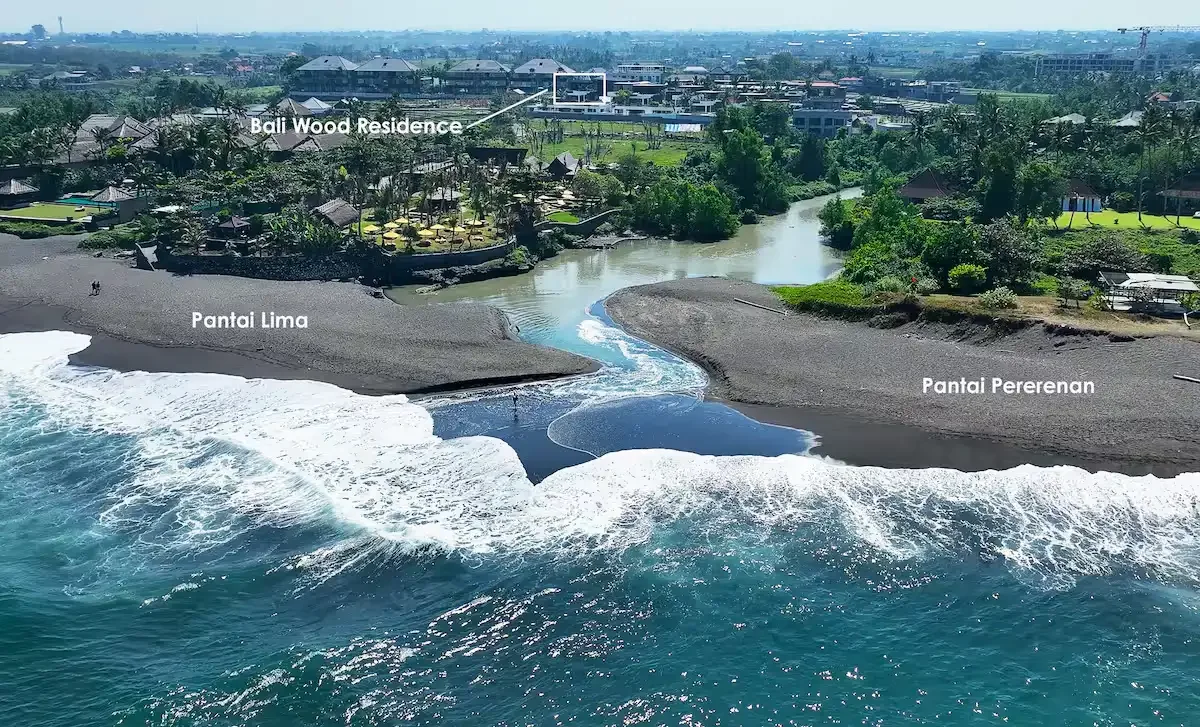
In Bali, "beachfront" is one of the most loosely used words in villa listings. Some areas — Sanur, Nusa Dua, parts of Seminyak and Canggu — genuinely have villas on or near the sand. Others, most famously Uluwatu, sell "beachfront" luxury that's actually clifftop, high above the ocean with beach access by steps or a drive. Knowing the difference before you book saves a lot of disappointment.
We run villas in Bali, including on the coast, and "is it really beachfront?" is one of the questions we hear most — usually from someone who got burned once. Here's the honest map.
What does "beachfront" mean in Bali?
The same thing it should mean anywhere: you can step from the property onto the beach with nothing in between. The problem is that in Bali the word gets stretched to cover "beach view," "a short walk from the beach," and "on a cliff above the beach." These are very different experiences at very similar prices.
A quick translation of what you'll see in listings:
Beachfront — genuinely on the sand. Rare and premium.
Beach view / clifftop — often spectacular, but you're above the beach, not on it. Common in the south.
Beachside / near the beach — a walk away, sometimes across a road.
Always ask one direct question: Can I walk from the villa onto the beach without crossing a public road or taking steps down a cliff? The answer tells you what you're actually booking. Our general beachfront villa guide covers how to vet this anywhere.
Which areas of Bali are actually beachfront?
Bali's coast varies enormously by region. Roughly:
Sanur — on the east coast, calm, shallow water, sunrise views, and a genuine beachfront promenade. One of the more truly beach-adjacent areas, and family-friendly.
Nusa Dua — a manicured resort enclave in the south with calm, swimmable beaches. Beachfront in the resort sense, if not the wild sense.
Seminyak and Legian — west-facing beaches with famous sunsets and dark volcanic sand. Some genuinely beachfront property, though much of it is a short walk back from the sand.
Canggu and Pererenan — surf beaches with black volcanic sand. More "near the beach" than sand-at-the-door for most villas, but the coast is minutes away. Our Canggu villa guide covers this; Baliwood Residence in Pererenan sits about a kilometer from Pererenan Beach.
Jimbaran — a bay in the south known for its beach and seafood, with genuine beachfront in parts.
Where "beachfront" usually means clifftop
Uluwatu and the Bukit Peninsula, on Bali's southern tip, produce the island's most dramatic "beachfront" imagery — infinity pools that seem to spill into the ocean. But most of these villas sit on limestone cliffs high above the water, with beach access by a path, steep steps, or a short drive.
This isn't a downside. Clifftop villas offer some of the best views and privacy anywhere in Bali. But if your mental picture is stepping off your terrace onto sand, Uluwatu will surprise you. Choose it for the drama and the vistas, not for walking to the water. We explain the general clifftop-versus-beachfront distinction in our luxury villas in Bali guide.
What to check before booking a Bali beach villa
Confirm true beachfront access. Ask specifically whether you reach the sand without a road or a cliff staircase.
Know the beach's character. Bali's beaches range from calm and swimmable (Sanur, Nusa Dua) to surf breaks with strong currents and black sand (Canggu). Match it to what you want.
Ask about the sand. Much of Bali's south and west has dark volcanic sand, not white. It's beautiful, but know before you arrive.
Check the tides and the season. Some beaches change a lot between tides and between dry and rainy season. See when to visit Bali.
Confirm the pool is private and the villa well-run — the same rules as any Bali villa apply. See Bali villas with a private pool.
The bottom line
A beachfront villa in Bali can be the trip of a lifetime — but only if "beachfront" means what you think it does. Sanur, Nusa Dua, Jimbaran, and parts of Seminyak deliver real beach access; Canggu puts you minutes from the surf; and Uluwatu gives you clifftop drama rather than sand at your door. Decide which experience you actually want, ask the direct access question, and book the reality rather than the adjective.
Frequently asked questions
Are beachfront villas in Bali really on the beach?
Sometimes, but often not in the way people expect. Areas like Sanur, Nusa Dua, and Jimbaran have genuine beach access, while much of Uluwatu's "beachfront" luxury is actually clifftop, high above the ocean. Always confirm how you reach the sand before booking.
Which area of Bali is best for a beachfront villa?
For calm, swimmable, genuinely beach-adjacent stays, Sanur and Nusa Dua are strong. Seminyak offers sunsets and some beachfront, Canggu offers surf beaches minutes away, and Jimbaran has a beach-and-seafood bay. Uluwatu offers clifftop drama rather than sand access.
Why is Uluwatu called beachfront if it's on a cliff?
Uluwatu's villas sit on limestone cliffs above the ocean, so listings use "beachfront" for the ocean setting even though beach access is by steps or a short drive. The views are exceptional, but it isn't sand-at-your-door beachfront.
Does Bali have white sand beaches?
Some, but much of Bali's south and west coast has dark volcanic sand, including Canggu, Seminyak, and Legian. Calmer eastern and southern areas like Sanur and Nusa Dua tend to have lighter sand. It's worth checking before booking if sand color matters to you.
What should I check before booking a beachfront villa in Bali?
Confirm genuine beachfront access without a road or cliff stairs, check whether the beach is calm or a surf break, ask about the sand and the tides, and verify the pool is private and the villa well managed.