
Homes in Bali: A U.S. Investor's Ownership Guide
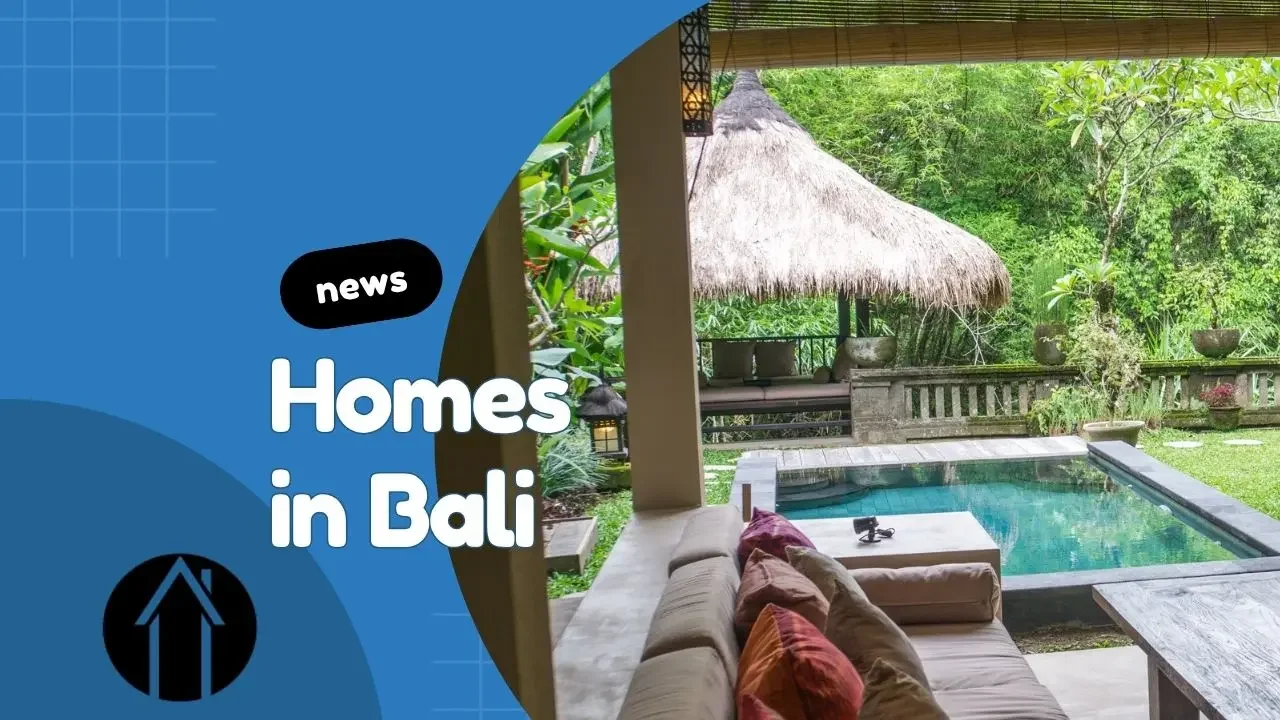
Homes in Bali range from compact townhouses to clifftop luxury villas, and for U.S. investors they can serve as a personal retreat, a rental income asset, or both. The key things to understand up front are how foreign ownership works (you lease or use a company structure rather than buying freehold), what different homes cost, and the fact that the income depends entirely on how well the property is run.
We take investors through the whole journey — finding the right home or plot, designing and building it, and running it as an asset — so think of this as the map before you go deep on any one decision. Where a topic deserves its own deep dive, we'll point you to it.
What types of homes can you buy in Bali?
"Homes in Bali" covers a wide range, and the type you choose shapes both the experience and the returns.
Townhouses and smaller homes — the entry point, often in developing or residential areas, suited to personal use or modest rental income.
Private villas — the heart of the market for investors, typically with a pool and the privacy that luxury guests pay for.
Luxury and estate villas — clifftop or beachfront properties in prime areas, the highest-value and highest-earning tier.
Land to build on — for investors who want to develop a property designed around their exact goals.
Each behaves differently as an investment. The villa segment is where most foreign rental income is concentrated, which is why so much of our content focuses there.
Can U.S. investors actually own a home in Bali?
Yes, but through the right structure. Indonesian law reserves freehold land for citizens, so foreigners own property in Bali via a long-term leasehold (commonly 25–30 years, often extendable) or a foreign-owned company (a PT PMA) that holds a right-to-build title and can run a rental business legally.
This sounds more complicated than it is in practice, but it's not something to improvise — you'll want an Indonesian notary and lawyer. We walk through the full process, structures, and pitfalls in how to buy property in Bali as a U.S. investor. (This article is general information, not legal or tax advice.)
What do homes in Bali cost?
Prices span a huge range. Entry-level homes and townhouses in developing areas can start in the low-to-mid six figures USD, while prime luxury and estate villas run well into seven figures. Two factors move the price more than the building itself: the area, and the title — specifically how many years remain on a leasehold. A home with a fresh 30-year lease is worth far more than the same home with a decade left.
If you're weighing where to buy, area choice changes the math dramatically. Our guide to the best areas to invest in Bali villas breaks down how Uluwatu, Canggu, Ubud, and Seminyak differ.
How do owners earn from homes in Bali?
Most foreign owners earn through short-term rental to travelers, and Bali's year-round international demand makes that a strong base. The income, though, is downstream of operations — pricing, presentation, guest experience, and maintenance all determine whether a home earns near its potential or well below it. We cover how the rental market actually pays in how much is rent in Bali and how investors profit.
This is the part remote owners underestimate. A beautiful home with weak management underperforms a plainer one that's run tightly, which is why we treat management as part of the investment, not an afterthought. Our complete guide to villa management in Bali goes deeper.
Buy an existing home or build one?
Buying gets you to income faster and lets you inspect exactly what you're getting. Building lets you design the home around your guest and operating model, which often produces a better-performing asset, but it takes time and a trusted team on the ground. For most investors, the decision comes down to how much control and upside they want versus how quickly they want to be earning.
The bottom line
Homes in Bali can be an excellent asset for U.S. investors, provided you go in clear-eyed: own through the right structure, price the remaining lease, choose the area carefully, and plan the management before you buy. Get those right and a Bali home can deliver both a place you love and an asset that earns. From there, the specific decisions — buying versus building, which area, how to manage — each deserve their own look, and we've linked the deeper guides throughout.
Frequently asked questions
Can a foreigner own a home in Bali? Yes, through a leasehold or a foreign-owned company (PT PMA) rather than freehold, which is reserved for Indonesian citizens. Both structures are legal and widely used; the right one depends on whether the home is for personal use or rental income.
What types of homes can you buy in Bali? Options range from townhouses and smaller homes to private villas, luxury and estate villas, and land to build on. The villa segment is where most foreign rental income is concentrated.
How much do homes in Bali cost? Prices range widely, from the low-to-mid six figures USD for entry-level homes to seven figures for prime luxury villas. Area and remaining lease term affect price more than the building itself.
How do owners make money from homes in Bali? Most earn through short-term rental to travelers, supported by Bali's year-round demand. Actual income depends heavily on management quality, including pricing, presentation, guest experience, and maintenance.
Should I buy an existing home in Bali or build one? Buying reaches income faster and lets you inspect the property. Building lets you design around your exact goals for potentially better performance, but takes longer and requires a trusted local team.