
How to Buy Property in Bali as a U.S. Investor
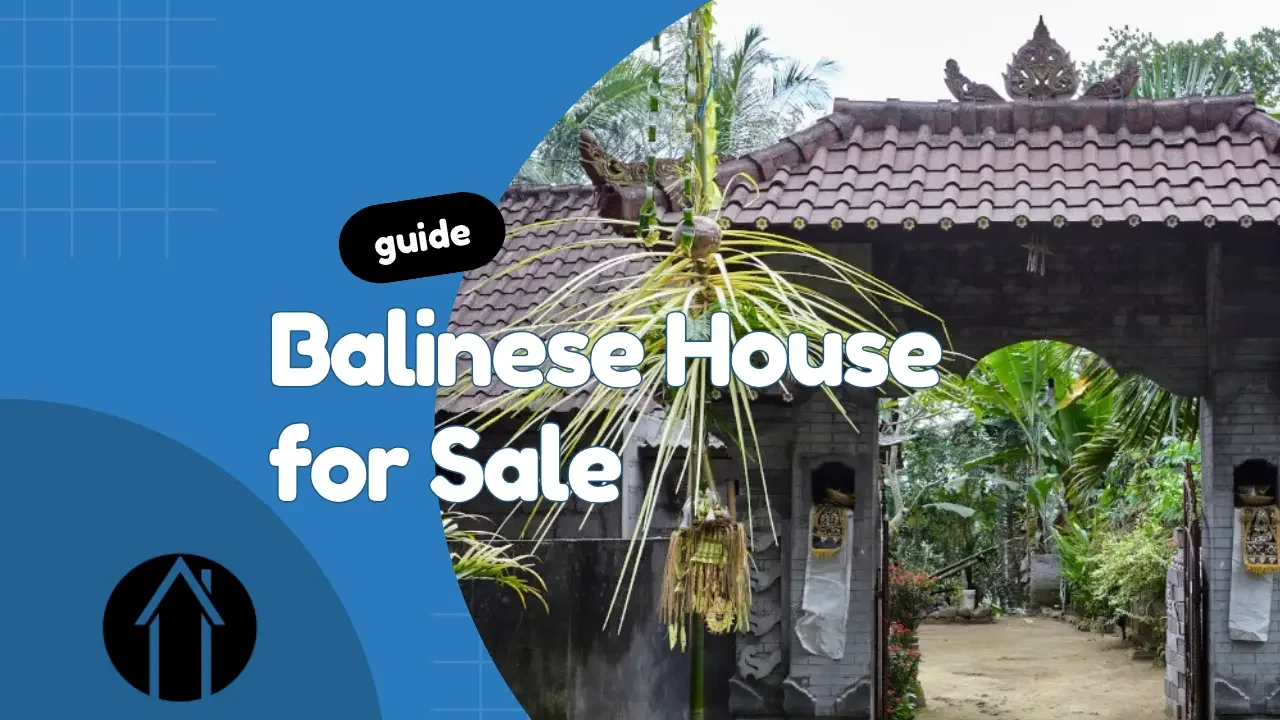
A U.S. investor can absolutely own property in Bali, but not the way you own a home in America. Foreigners can't hold freehold land in Indonesia. Instead you buy through a long-term leasehold or a foreign-owned company (a PT PMA), and a Balinese house for sale typically trades on one of those structures. Once you understand that one rule, the rest of the process is more straightforward than most Americans expect.
We say this as a firm that takes investors through the whole thing — from finding the right plot or property to designing, building, managing, and running it as a real asset. So this isn't a listings page. It's the plain-English version of what actually happens when an American buys in Bali, and what to watch for.
Can a U.S. citizen buy a house in Bali?
Yes, with the right structure. Indonesian law reserves freehold land ownership (Hak Milik) for Indonesian citizens, so a foreigner can't buy land outright the way they would in the States. What you can do is hold property through:
Leasehold (Hak Sewa) — you lease the land and any building on it for a fixed term, commonly 25 to 30 years, often with an agreed option to extend. This is the most common route for foreign buyers and the simplest to set up.
A PT PMA (foreign-owned company) — you form an Indonesian company that holds a right-to-build title (Hak Guna Bangunan). This suits investors who plan to rent the property commercially or build a portfolio, because the company can legally run a rental business.
Both are legitimate and widely used. Which one fits depends on whether you're buying a personal retreat or an income-producing asset — and that's a decision worth making with proper legal counsel before you sign anything. (This article is general information, not legal or tax advice; Bali property law has real nuance and you should retain an Indonesian notary and lawyer.)
What does a house in Bali cost?
Prices vary enormously by area and type, but to give Americans a frame of reference: entry-level villas in developing areas can start in the low-to-mid six figures USD, while prime land and finished luxury villas in sought-after areas run well into seven figures. A "Balinese house for sale" can mean anything from a modest townhouse to a clifftop estate, so the headline price tells you little until you know the location, the land size, and crucially, the title and remaining lease term.
That last point trips up a lot of buyers. A villa on a leasehold with 12 years left is a very different asset from the same villa with a fresh 30-year lease. Always price the remaining term, not just the building.
Is it better to buy an existing villa or build from scratch?
This is the real fork in the road, and there's a genuine case for each.
Buying an existing villa gets you income faster. You can inspect what you're getting, see the rental history if it has one, and start operating within weeks rather than years. The trade-off is that you inherit someone else's design choices, build quality, and any deferred maintenance.
Building from scratch lets you control everything — the location, the layout, the finish, and the operating efficiency that drives returns. You also typically capture more value, since well-developed land in the right area appreciates. The trade-off is time, complexity, and the need for a team you trust on the ground while you're 8,000 miles away.
In our experience, the build route rewards investors who treat it as a project with a partner managing the whole chain, not a remote-control exercise. We walk through that path in detail in how to build a villa in Bali as an international investor and building a luxury villa investment from concept to guest experience.
What are the real steps to buying property in Bali?
For a U.S. investor, the process generally runs like this:
Define the goal — personal use, rental income, or resale appreciation. This decides your structure and your location.
Pick the area — Uluwatu, Canggu, Ubud, and Seminyak each behave very differently as investments. Our guide to the best areas to invest in Bali villas breaks them down.
Verify title and zoning — confirm the land's certificate, the remaining lease, and that the zone actually permits a villa or rental. This is where good local counsel earns its fee.
Choose leasehold or PT PMA — match the structure to whether you'll rent commercially.
Due diligence and notary — an Indonesian notary (PPAT) handles the legal transfer; never skip independent due diligence.
Build or renovate — if you're developing, this is the design-and-build phase.
Set up management — staffing, marketing, bookings, maintenance, and reporting, so the asset actually performs once it's yours.
That last step is where most remote owners lose money. A beautiful villa with no one running it well is a depreciating liability, not an investment.
The bottom line
For a U.S. investor, buying a house in Bali is very doable — you just trade American-style freehold for a leasehold or a company structure, and you take local due diligence seriously. The bigger decision is whether you want a finished asset for faster income or a ground-up build for more control and upside. Either way, the property only performs as well as the team running it, so plan the management before you sign, not after.
Frequently asked questions
Can a U.S. citizen buy property in Bali?
Yes, but not as freehold. Foreigners cannot hold freehold land in Indonesia, so U.S. buyers purchase through a long-term leasehold or a foreign-owned company (PT PMA) that holds a right-to-build title. Both are legal and commonly used.
How much does a house in Bali cost in USD?
It varies widely by area and title. Entry-level villas in developing areas can start in the low-to-mid six figures, while prime luxury villas run into seven figures. Always price the remaining lease term, not just the building.
Is it better to buy or build a villa in Bali?
Buying an existing villa generates income faster and lets you inspect what you're getting. Building from scratch gives more control over design and efficiency and often captures more value, but takes longer and needs a trusted team on the ground.
What is a PT PMA and do I need one?
A PT PMA is an Indonesian foreign-owned company that can hold a right-to-build title and legally run a rental business. It suits investors planning commercial rental income or a portfolio; a simple leasehold may be enough for personal use.
What are the risks of buying property in Bali as a foreigner?
The main risks are unclear or expiring titles, zoning that doesn't permit rentals, and poor remote management. They're manageable with independent legal due diligence, an Indonesian notary, and a professional management partner.