
Jackson Hole Rentals: An Owner's Investment Guide
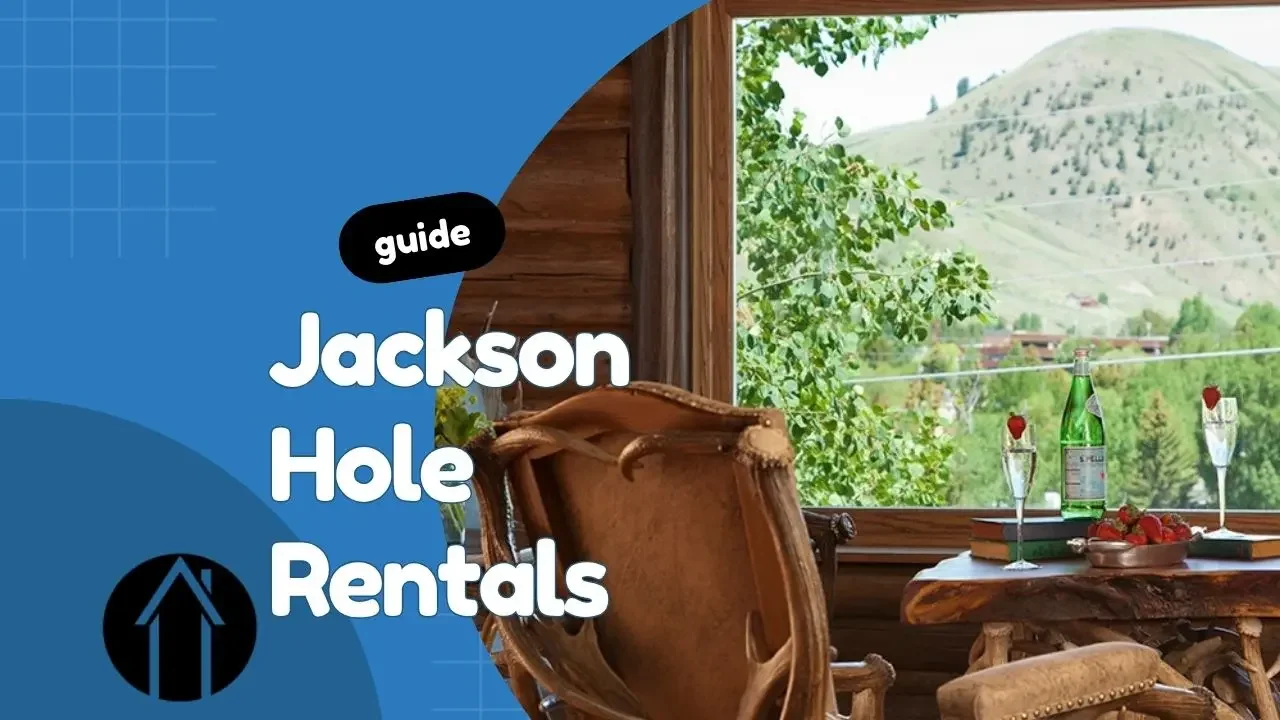
Jackson Hole rentals are one of the more resilient vacation-property investments in the U.S., thanks to fixed supply, two strong peak seasons, and a steady stream of affluent visitors. For owners, the returns are real — but so are the demands of running a high-end home in a remote mountain valley, which is why the best-performing rentals are almost always professionally managed.
We're based in this valley as well as in Bali, so this guide is written from the owner's side of the table, not the traveler's. If you're weighing a Jackson Hole rental as an investment — or you already own one and want it working harder — here's the honest picture.
Why are Jackson Hole rentals a good investment?
A few things make this market unusually durable for owners.
Supply is capped. Roughly 97% of Teton County is federal or protected land — national parks, forest, and refuge. That leaves very little private land to develop, which keeps both home values and rental rates well supported over time.
There are two peak seasons, not one. Winter brings skiers to Jackson Hole Mountain Resort; summer brings hikers and families heading to Grand Teton and Yellowstone. A property that can earn in both seasons has a much smoother revenue profile than a single-season rental.
The visitor is affluent. Jackson Hole draws high-income travelers who expect — and will pay for — quality. That supports premium nightly rates for well-presented, well-run homes.
We've seen the same dynamics play out across the northern Rockies. Our pieces on Montana vacation property as an investment and how MT vacation rentals generate seasonal returns cover the regional pattern in more depth.
What do Jackson Hole rentals cost to own and run?
Beyond the purchase price, owners should budget for the ongoing realities of a mountain rental:
Seasonal maintenance — snow removal, winterization, heating systems, and the wear that hard winters put on a property.
Cleaning and turnovers — high-end guests expect hotel-grade cleanliness between every stay.
Management and marketing — listing, pricing, bookings, guest communication, and on-the-ground response.
Insurance, taxes, and compliance — including local short-term rental rules, which you need to confirm for your specific property and zone.
These costs are the price of protecting the asset. A frozen pipe in January or a missed turnover during peak ski week costs far more than the maintenance that would have prevented it.
How much can a Jackson Hole rental earn?
Earnings depend heavily on location, size, and how well the home is run. Properties near Teton Village command the strongest winter rates because of ski access, while larger homes that sleep groups capture premium summer bookings. The single biggest variable an owner controls is management quality — pricing, presentation, reviews, and occupancy are all downstream of how professionally the rental is operated.
A modest, passively managed cabin and a well-run luxury home of the same size can produce dramatically different annual returns. The building is only half the equation.
Should you manage it yourself or hire a manager?
If you live in the valley and enjoy the work, self-managing one property is doable. For nearly every out-of-state owner, it isn't — and that's most Jackson Hole rental investors, who buy from elsewhere in the U.S.
A remote owner trying to coordinate snow plowing, emergency repairs, guest check-ins, and dynamic pricing from another time zone tends to leave money and goodwill on the table. Professional management handles the operations, keeps the property in peak condition, and protects the reviews that drive future bookings. We make the broader case for this in why a professional vacation rental manager matters — the logic holds whether the property is in Bali or Wyoming.
The bottom line
Jackson Hole rentals reward owners who respect both sides of the equation: a genuinely scarce, high-demand market on one hand, and a demanding mountain property on the other. Buy in the right location, budget honestly for the cost of running a winter-tough home, and put real management behind it. Do that, and few U.S. vacation markets offer this combination of durability and demand.
Frequently asked questions
Are Jackson Hole rentals a good investment?
Yes, for many owners. Capped land supply, two strong peak seasons, and affluent visitors support durable home values and premium rental rates. The main caveat is that mountain properties are demanding to run and perform best under professional management.
How much can you earn from a Jackson Hole rental? Earnings vary widely by location, size, and management quality. Homes near Teton Village earn strong winter rates, while larger group homes capture premium summer bookings. Professional operation is the biggest lever an owner controls over returns.
What does it cost to run a Jackson Hole rental?
Owners should budget for seasonal maintenance and snow removal, winterization, hotel-grade cleaning and turnovers, management and marketing, plus insurance, taxes, and local short-term rental compliance.
Can I manage a Jackson Hole rental from out of state?
It's difficult. Coordinating snow removal, repairs, check-ins, and pricing from another time zone usually costs owners money and reviews. Most out-of-state owners use professional management to protect performance and condition.
When is peak season for Jackson Hole rentals?
There are two: winter (roughly December to March) for skiing, and summer (June to August) for the national parks. Fall offers strong shoulder-season demand with thinner crowds.