
How Architecture Influences Bali Villa Investment Performance
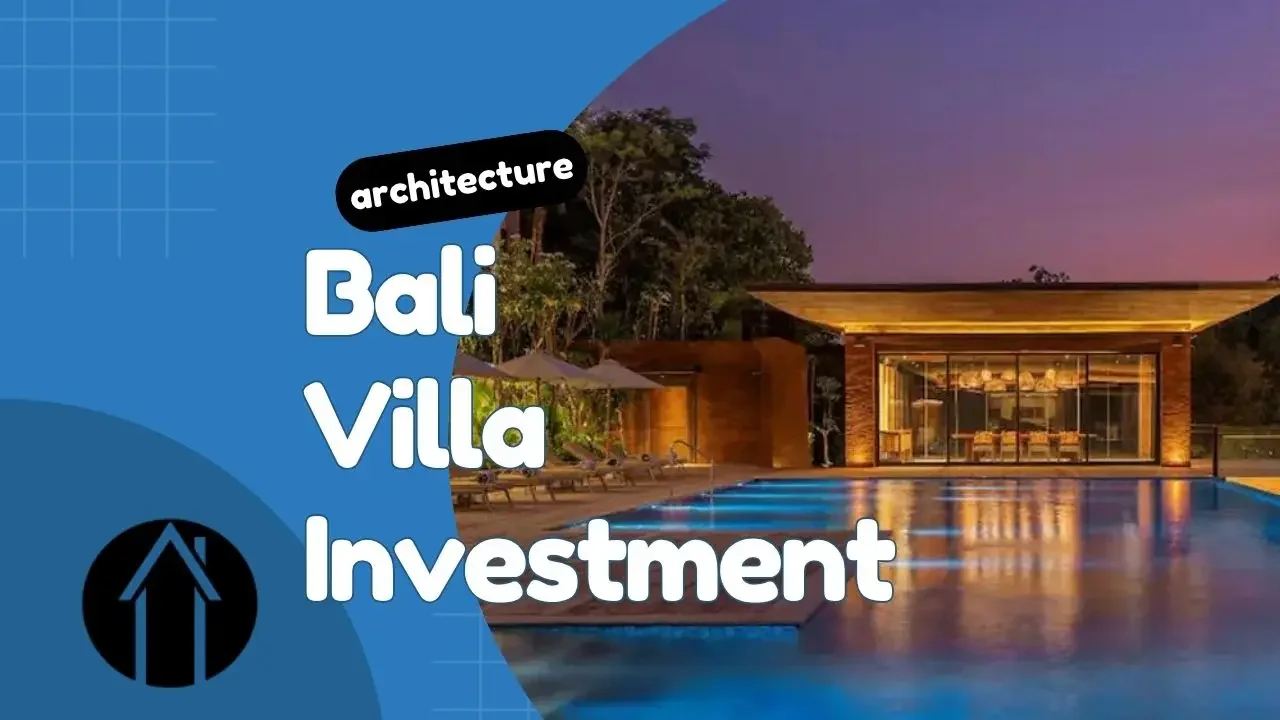
Some villas in Bali instantly create an emotional impact the moment guests see them. Others, despite similar budgets and locations, feel forgettable.
The difference often comes down to architecture.
In Bali’s increasingly competitive hospitality market, architecture is no longer simply about aesthetics or construction style. It has become a core part of how villas attract attention, shape guest experience, and maintain long-term market relevance.
For investors, this changes the role architecture plays in overall performance.
Architecture Has Become Part of the Marketing Strategy
Today’s travelers often discover villas online before they experience them physically.
This means architecture directly affects:
first impressions
click-through behavior
social media visibility
booking interest
Distinctive villas naturally stand out in crowded marketplaces where guests scroll through hundreds of options.
Architecture now functions as both design and marketing at the same time.
Why Generic Villas Struggle More Than Ever
A few years ago, simply offering a private pool in Bali was enough to attract bookings.
That has changed.
Today’s guests are increasingly drawn toward villas that feel:
visually distinctive
emotionally immersive
thoughtfully designed
Generic layouts and repetitive aesthetics often make properties feel interchangeable, especially online.
This creates pricing pressure because guests begin comparing primarily on cost rather than experience.
The Rise of Experience-Driven Architecture
Modern Bali villas are increasingly designed around how guests move, feel, and interact within the space.
This includes:
seamless indoor–outdoor transitions
framed views and natural lighting
social gathering areas
privacy-focused layouts
The goal is not simply to create beautiful rooms, but to shape memorable experiences.
Architecture Influences Guest Psychology
Guests often respond emotionally to spatial atmosphere without consciously realizing it.
Elements such as:
ceiling height
natural materials
lighting
openness
landscape integration
It can significantly affect how a villa feels during a stay.
This emotional response frequently influences reviews, photography sharing, and repeat bookings.
Tropical Design Requires More Than Visual Appeal
Bali’s environment creates unique architectural demands.
Successful tropical architecture must balance:
aesthetics
airflow
durability
operational practicality
A visually impressive villa that performs poorly in Bali’s climate can quickly create long-term maintenance challenges.
This is why experienced hospitality-focused development teams often prioritize both beauty and operational sustainability from the beginning.
Why Luxury Travelers Value Architectural Identity
Luxury travelers increasingly seek villas that feel:
unique
curated
connected to a place
This has increased demand for architecture that blends:
tropical modernism
local materiality
contemporary hospitality standards
Properties with strong architectural identity often build a stronger emotional connection and stronger brand perception over time.
Architecture and Operational Efficiency
Good architecture also affects how smoothly a villa operates behind the scenes.
Thoughtful layouts can improve:
staff workflow
maintenance access
guest privacy
long-term functionality
Poor spatial planning may look attractive initially, but create operational inefficiencies later.
This becomes especially important for villas operating as hospitality businesses rather than private residences alone.
Why Long-Term Performance Starts During Design
Many investors focus heavily on acquisition and construction cost while underestimating the long-term impact of architectural decisions.
However, choices made during design often shape:
future maintenance requirements
operational efficiency
guest experience quality
market positioning
Architecture is not simply the beginning of the project, it influences the entire lifecycle of the villa.
The Value of Integrated Design Thinking
The strongest-performing villas usually emerge from alignment between:
architecture
operations
guest psychology
hospitality flow
long-term management strategy
When these elements are disconnected, villas often feel inconsistent or operationally difficult.
Companies like Villasa increasingly approach architecture as part of a larger hospitality ecosystem—where design, construction, operations, and guest experience are developed together rather than separately.
This integrated thinking helps investors create villas that remain visually relevant and operationally competitive over time.
Common Architectural Mistakes in Bali Villas
Some recurring issues include:
prioritizing trends over timelessness
creating layouts that look good but function poorly
ignoring climate practicality
overdesigning without clear guest positioning
underestimating maintenance implications
Architecture becomes most powerful when aesthetics and functionality evolve together.
FAQ — Bali Villa Architecture
Why is architecture important for Bali villas?
Because it directly influences guest perception, booking appeal, and long-term competitiveness.
Does architecture affect rental performance?
Yes. Distinctive and experience-driven architecture often improves visibility and guest engagement.
What architectural style works best in Bali?
Modern tropical architecture remains highly effective when balanced with functionality and local context.
Can architecture improve guest experience?
Absolutely. Layout, atmosphere, lighting, and spatial flow all shape emotional response.
Should architecture consider operations and maintenance?
Yes. Strong hospitality architecture balances aesthetics with operational practicality.
Designing Villas That Remain Relevant
Architecture in Bali has evolved far beyond decoration or style alone.
Today, it plays a central role in how villas perform financially, emotionally, and operationally over time.
The strongest villa investments are increasingly those that combine visual identity with hospitality thinking, creating properties that not only attract attention but also sustain long-term guest appeal and operational efficiency.
In Bali’s evolving market, architecture is no longer just about building something beautiful. It is about building something that continues to matter.