
How Successful Bali Villas Build Strong Brand Identity
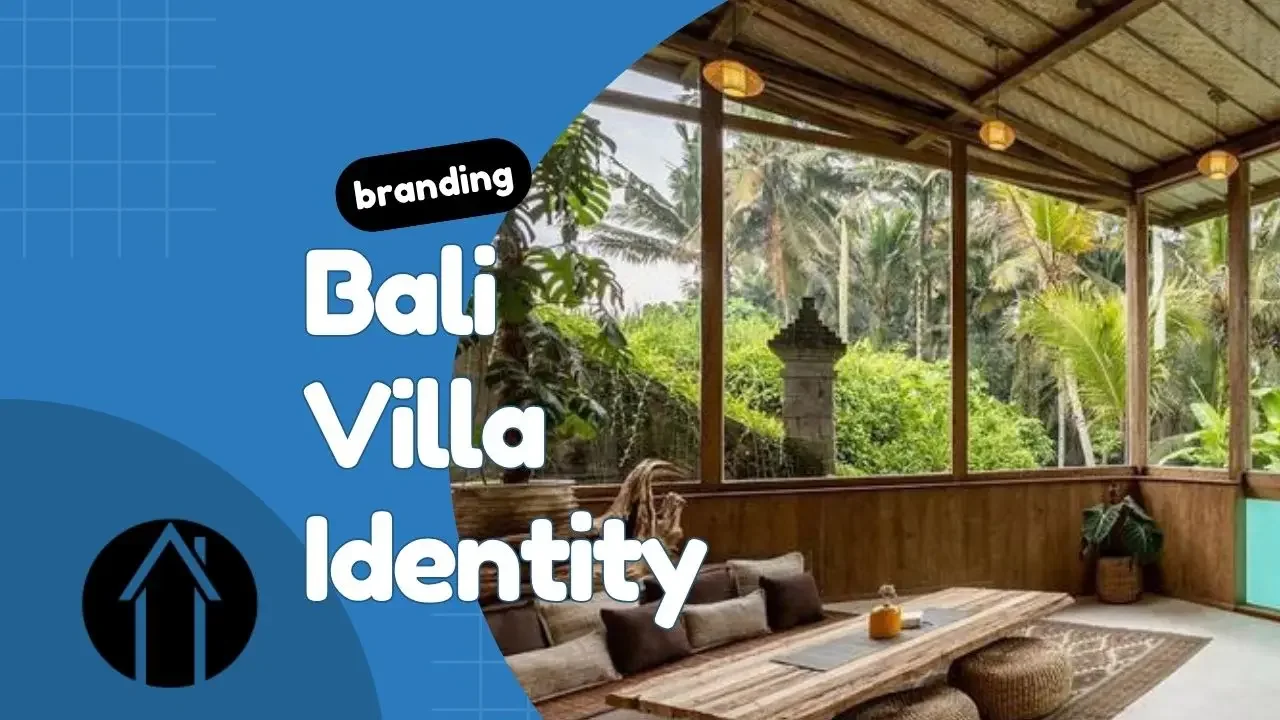
The Bali villa market has become increasingly crowded with beautiful properties.
Private pools, tropical architecture, and modern interiors are no longer enough on their own to stand out. Guests browsing booking platforms now compare hundreds of villas that may appear visually similar at first glance.
This is where branding becomes important.
In Bali’s hospitality market, branding is no longer limited to hotels or large resorts. Villas themselves are increasingly functioning like independent hospitality brands, each competing for attention, emotional connection, and guest loyalty.
For investors, this shift changes how successful villas are positioned and managed.
Branding Is More Than a Logo
Many people associate branding only with logos or visual graphics.
In reality, villa branding is about the overall perception guests form around a property.
This includes:
atmosphere
photography style
architectural identity
guest experience
tone of communication
emotional positioning
Strong branding creates consistency between what guests see online and what they experience in person.
Why Branding Matters More in Bali
Bali is one of the most visually competitive hospitality markets in the world.
Travelers are heavily influenced by:
Instagram
TikTok
travel blogs
online booking platforms
This means villas are often judged emotionally and visually before guests even read descriptions.
Properties with a clear identity tend to:
attract stronger attention
feel more memorable
generate stronger emotional interest
Guests Remember Feelings, Not Features
Guests rarely remember exact technical details after a stay.
What they usually remember is:
how the villa felt
the atmosphere
the overall experience
whether the property felt distinctive
Branding helps create this emotional memory.
Without it, villas often become interchangeable with competitors.
Why Generic Villas Face Pricing Pressure
When villas lack a strong identity, guests tend to compare them mainly on:
price
size
location
This often creates downward pricing pressure in crowded markets.
Strong branding changes the conversation from:
👉 “Which villa is cheapest?”
to:
👉 “Which villa feels most desirable?”
This distinction can significantly influence long-term positioning.
Branding Starts During Concept Development
Brand identity is most effective when it begins early.
It is shaped through decisions involving:
architecture
interior design
target audience
hospitality style
guest journey
When branding is added only after construction, it often feels disconnected or superficial.
The strongest-performing villas usually feel cohesive because the concept was intentional from the beginning.
The Relationship Between Branding and Guest Experience
Branding and hospitality are closely connected.
For example:
a wellness-focused villa should feel calm and restorative
a luxury lifestyle villa should feel social and elevated
a retreat-style property should prioritize tranquility and privacy
Guests notice when the experience matches the promise.
This alignment builds trust and stronger reviews.
Why Luxury Travelers Respond to Identity
Luxury travelers increasingly seek:
authenticity
atmosphere
exclusivity
emotional connection
They are often less interested in generic “luxury” and more attracted to properties with personality and story.
This is why distinctive branding has become such a powerful competitive advantage.
Branding Also Affects Long-Term Value
Strong brand identity can improve:
repeat bookings
social sharing
word-of-mouth reputation
long-term market relevance
Properties that feel timeless and emotionally engaging tend to remain competitive longer than trend-driven villas without a clear identity.
Why Integrated Hospitality Thinking Matters
Branding becomes strongest when it aligns with:
architecture
operations
service style
guest expectations
long-term management
When these elements feel disconnected, guests often sense inconsistency.
This is why many hospitality-focused investors increasingly work with integrated teams that understand not just development, but also guest psychology and long-term positioning.
Companies like Villasa approach villas as complete hospitality experiences—helping align concept, design, operations, and guest experience into a consistent brand identity rather than treating them as separate stages.
Common Branding Mistakes in Bali Villas
Some recurring issues include:
copying trends without a unique identity
inconsistent visual presentation
weak storytelling
luxury positioning without hospitality quality
creating beautiful spaces without emotional atmosphere
Branding becomes most effective when it feels authentic and cohesive.
FAQ — Bali Villa Branding
Why is branding important for Bali villas?
Because a strong identity helps villas stand out in a highly competitive hospitality market.
Does branding affect bookings?
Yes. Branding influences emotional appeal, memorability, and guest perception.
What makes a villa brand feel strong?
Consistency between design, atmosphere, service, and guest experience.
Is branding only important for luxury villas?
No. Branding helps all villas differentiate and connect with their target audience.
When should branding begin in a villa project?
Ideally, during concept and design development, not after completion.
Creating Villas People Remember
The future of Bali villa investment is becoming increasingly experience-driven and emotionally influenced.
Guests are no longer simply searching for accommodation; they are searching for atmosphere, identity, and memorable experiences that feel meaningful and shareable.
For investors, this means branding is no longer optional. It has become part of how villas compete, attract attention, and sustain long-term relevance.
In Bali’s evolving hospitality market, the villas that stand out are often not just the most expensive, but the ones people continue to remember long after the stay ends.