
Why Some Bali Villas Fail Despite Great Locations and Design
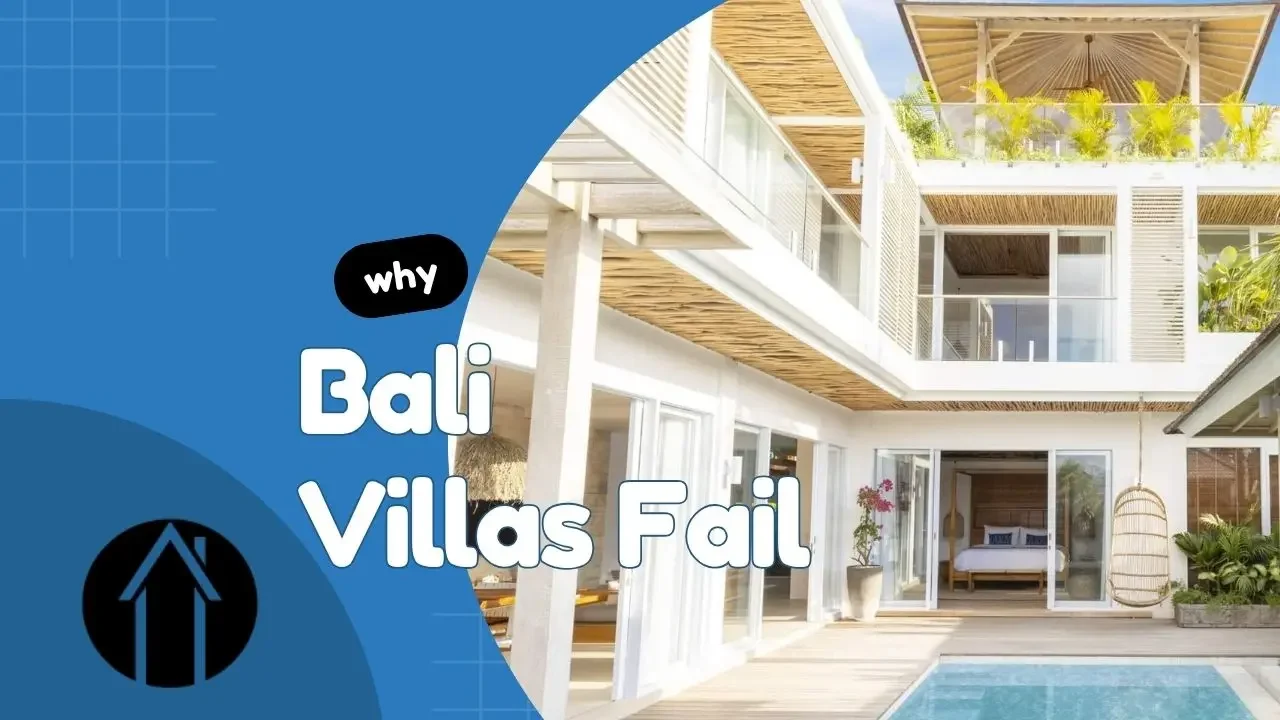
Not every beautiful villa in Bali becomes a successful investment.
Some properties launch with impressive architecture, attractive locations, and strong initial expectations, yet still struggle to maintain occupancy, pricing strength, or long-term relevance.
From the outside, these villas may appear successful. But behind the scenes, many investors eventually discover that aesthetics alone are not enough to sustain performance in Bali’s increasingly competitive hospitality market.
The difference between villas that thrive and villas that slowly fade often comes down to strategy, positioning, and execution.
Mistaking Property Ownership for Hospitality
One of the biggest misconceptions in Bali’s villa market is treating villas purely as real estate assets.
In reality, short-term villa rentals operate much closer to hospitality businesses.
That means long-term performance depends on:
guest experience
operations
branding
maintenance
service quality
emotional positioning
Investors who focus only on construction or acquisition often underestimate how much daily hospitality systems influence overall success.
Generic Villas Are Becoming Easier to Ignore
A few years ago, simply offering a stylish villa with a pool was enough to compete effectively.
Today, guests scroll through hundreds of visually similar listings online.
As a result, generic villas often struggle because they:
feel interchangeable
lack memorable identity
compete primarily on price
Properties that fail to create emotional distinction usually face increasing pricing pressure over time.
The villas that stand out now tend to have:
stronger architectural identity
clearer branding
more intentional guest experiences
Weak Positioning Creates Confusion
Some villas try to appeal to everyone at once.
They combine:
luxury visuals
budget pricing
family layouts
party-oriented branding
This lack of clarity often weakens market positioning.
High-performing villas usually understand exactly who they are designed for and build the entire experience around that audience.
Clear positioning helps guests instantly understand:
👉 “This villa is for people like me.”
Operations Often Matter More Than Investors Expect
Beautiful architecture may attract initial bookings, but operations determine whether performance remains consistent.
Common operational problems include:
inconsistent housekeeping
slow guest communication
poor maintenance response
weak service coordination
Guests notice these issues quickly, especially in premium segments.
Even small operational inconsistencies can gradually damage reviews and reputation.
Poor Maintenance Quietly Reduces Performance
Bali’s tropical climate is demanding on properties.
Humidity, rain, heat, and outdoor living conditions create constant maintenance pressure.
Some investors underestimate how quickly villas can feel outdated when maintenance becomes inconsistent.
Over time, neglected upkeep affects:
guest perception
visual quality
reviews
pricing flexibility
The strongest-performing villas usually treat maintenance as part of the guest experience rather than a background expense.
Chasing Trends Instead of Building Timelessness
Trend-driven villas often attract attention quickly, but may age just as fast.
This happens when properties rely heavily on:
short-lived design trends
viral aesthetics without functionality
visual gimmicks without operational thinking
Timeless villas tend to balance:
strong identity
functionality
hospitality practicality
enduring design quality
These properties usually remain competitive longer.
Weak Branding Makes Villas Forgettable
In Bali’s visually saturated market, branding has become increasingly important.
Without a strong identity, villas often struggle to create:
emotional connection
memorability
long-term differentiation
Guests may enjoy the stay but fail to remember the property afterward.
That makes repeat bookings and word-of-mouth growth much harder.
Short-Term Thinking Creates Long-Term Problems
Some investors focus heavily on short-term projections while overlooking long-term sustainability.
This can lead to decisions such as:
minimizing build quality
underinvesting in operations
ignoring maintenance systems
prioritizing aesthetics over practicality
The villas that remain successful over time are usually those designed with long-term operational thinking from the beginning.
Why Integrated Strategy Matters More Than Ever
As Bali’s hospitality market matures, isolated decision-making becomes increasingly risky.
Strong-performing villas typically align:
architecture
guest psychology
operational systems
branding
hospitality flow
long-term management
When these elements feel disconnected, guests often sense inconsistency—even if they cannot immediately explain why.
This is why many experienced investors increasingly prefer integrated hospitality-focused partners who understand the full lifecycle of villa performance.
Companies like Villasa approach villa investment from this broader perspective, helping investors connect concept, development, operations, and guest experience into a cohesive long-term strategy rather than treating them as separate stages.
FAQ — Why Bali Villas Fail
Why do some Bali villas underperform?
Common reasons include weak positioning, generic design, inconsistent operations, and poor guest experience.
Is location enough to guarantee success?
No. Strong location helps, but long-term performance also depends heavily on branding, hospitality, and operational quality.
Can beautiful villas still fail?
Yes. Visual appeal alone does not guarantee sustainable hospitality performance.
Why is branding important for villas?
Branding helps create emotional distinction and long-term memorability in competitive markets.
How can investors reduce risk?
By approaching villas as hospitality businesses rather than purely real estate assets.
The Villas That Succeed Usually Share One Thing
The strongest-performing villas in Bali rarely succeed because of a single feature alone.
Instead, they combine thoughtful design, operational consistency, clear identity, and hospitality-focused strategy into one cohesive experience.
As Bali’s market becomes more sophisticated, guests increasingly gravitate toward villas that feel intentional, memorable, and professionally managed.
For investors, this means success is no longer simply about building something attractive. It is about creating a hospitality asset capable of remaining emotionally relevant and operationally strong over time.