
Why Bali Resorts Continue to Thrive and What Investors Should Know
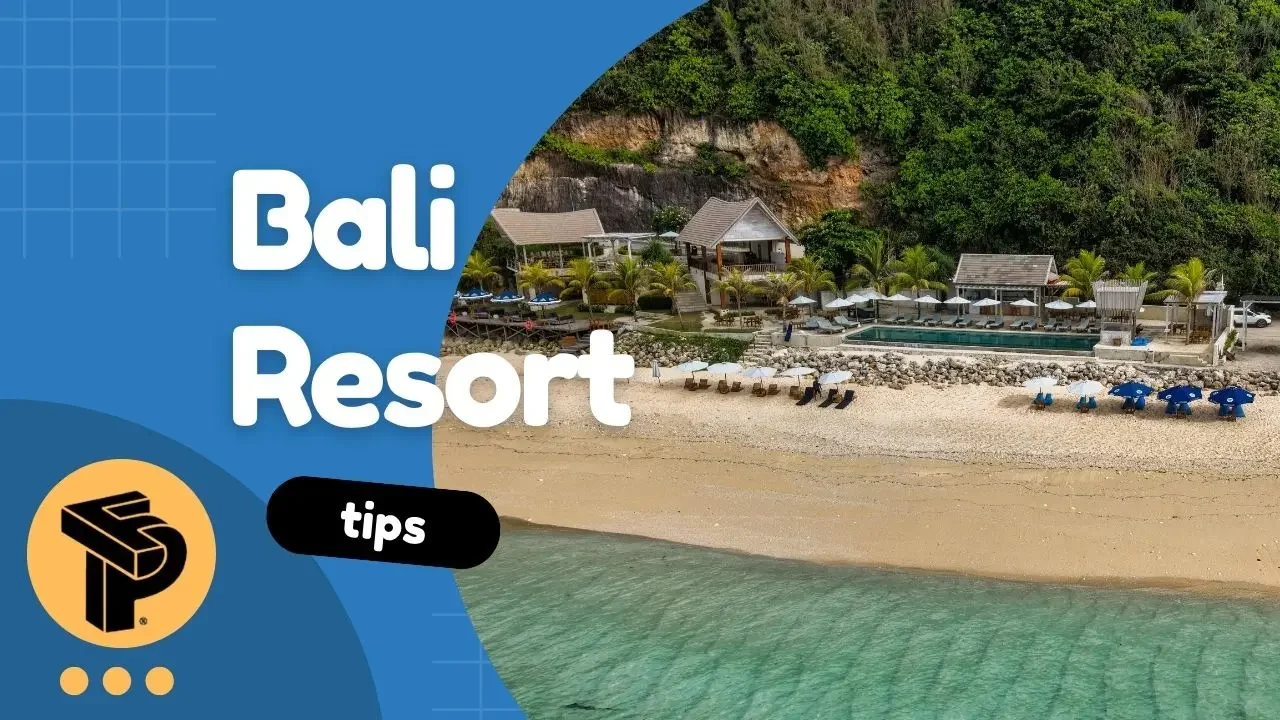
For decades, Bali has been synonymous with luxury travel. From cliffside retreats overlooking the Indian Ocean to jungle resorts surrounded by rice terraces, Bali resorts have become some of the most recognizable hospitality destinations in the world.
Travelers from across the globe visit Bali seeking relaxation, cultural experiences, and unique accommodations. While traditional resorts continue to attract visitors, the hospitality landscape in Bali has evolved significantly.
Today, private villas offering resort-level amenities are becoming an increasingly important part of the market, creating new opportunities for international investors interested in Bali’s thriving tourism economy.
The Global Appeal of Bali Resorts
Bali consistently ranks among the world’s most desirable travel destinations. Several factors contribute to its strong appeal.
Tropical Natural Beauty
Bali offers dramatic landscapes ranging from volcanic mountains and lush jungles to white-sand beaches and dramatic cliffs.
Cultural Experiences
The island’s temples, ceremonies, and traditional arts create a distinctive cultural identity that sets it apart from many other tropical destinations.
Wellness and Lifestyle Tourism
Yoga retreats, wellness resorts, and spa destinations have made Bali a global hub for health and relaxation travel.
Luxury Hospitality
Many of the world’s most renowned hospitality brands operate resorts in Bali, reinforcing its reputation as a high-end travel destination.
Together, these factors have created a robust ecosystem that supports a thriving resort and hospitality industry.
What Defines the Bali Resort Experience
The concept of a resort in Bali extends beyond simply providing accommodation.
Travelers often expect a complete experience that includes:
Scenic locations and dramatic views
Luxury architecture that blends with nature
Personalized service and hospitality
Wellness facilities such as spas and yoga spaces
Culinary experiences and curated activities
In many cases, the appeal of Bali resorts lies in their ability to combine luxury with the island’s natural environment.
However, modern travelers are increasingly seeking more private and personalized versions of this experience.
The Evolution From Traditional Resorts to Private Villa Resorts
Over the past decade, the definition of a Bali resort has expanded.
While large hotel resorts remain popular, a growing number of travelers prefer private villas that offer resort-style experiences.
Several factors explain this shift.
Privacy
Private villas allow guests to enjoy exclusive spaces without sharing facilities with large groups of other travelers.
Personalized Service
Many villas offer services comparable to luxury resorts, including private chefs, concierge services, and dedicated staff.
Space and Flexibility
Families and groups often prefer villas with multiple bedrooms, living areas, and private pools.
Unique Design
Architectural villas with distinctive tropical designs frequently appeal to travelers looking for memorable stays.
This evolution has blurred the line between traditional resorts and luxury villa properties.
Key Areas in Bali Known for Resort Experiences
Different regions of Bali attract different types of travelers and resort developments.
Ubud
Located in Bali’s interior, Ubud is famous for jungle landscapes, rice terraces, and wellness retreats.
Uluwatu
Uluwatu’s dramatic cliffs and ocean views make it one of Bali’s most prestigious luxury resort destinations.
Seminyak
Seminyak is known for its upscale dining, beach clubs, and established hospitality infrastructure.
Canggu
Canggu has emerged as a vibrant lifestyle destination, popular with surfers, digital nomads, and younger travelers.
Each location supports different types of hospitality concepts, from boutique retreats to luxury resort villas.
Why Investors Are Entering Bali’s Hospitality Market
For international investors, Bali’s hospitality sector offers several compelling advantages.
Strong Tourism Demand
Millions of visitors travel to Bali each year, creating consistent demand for accommodation.
Premium Nightly Rates
Luxury villas and boutique resorts can command premium prices, especially when designed with unique architecture and exceptional views.
Lifestyle Investment Appeal
Many investors are attracted to Bali not only for financial returns but also for the opportunity to own property in a desirable destination.
Growing Demand for Private Accommodation
The shift toward villa-based hospitality models has opened new opportunities for smaller, more design-focused developments.
However, entering the hospitality market requires careful planning and expertise.
Designing Villas That Deliver Resort-Level Experiences
Creating a property that competes with established resorts requires thoughtful design.
Key elements that enhance guest experience include:
Infinity pools overlooking natural scenery
Spacious indoor-outdoor living areas
Private gardens and relaxation spaces
Spa-inspired bathrooms and wellness areas
Architectural designs that blend with the environment
In Bali’s hospitality market, aesthetics play a significant role in attracting guests and commanding premium nightly rates.
Properties that combine strong design with memorable experiences often achieve stronger booking performance.
The Importance of Professional Management
Even the most beautiful properties require professional operations to maintain high standards.
Successful hospitality operations typically include:
Guest services and concierge support
Housekeeping and property maintenance
Staff training and supervision
Pricing strategy and booking management
Financial reporting for owners
These operational elements ensure consistent guest satisfaction and protect the long-term value of the property.
For international investors who do not live in Bali, structured management becomes particularly important.
The Advantage of an Integrated Hospitality Approach
Many investors approach hospitality development by hiring separate teams for architecture, construction, and property management.
While this can work, a more integrated approach often produces stronger results.
An integrated model aligns the entire lifecycle of a hospitality investment:
Concept → Design → Build → Manage → Experience
When each stage is coordinated, properties can be developed with both guest experience and long-term performance in mind.
Bali Resorts as a Long-Term Investment Opportunity
Bali’s reputation as a global resort destination continues to attract travelers seeking unique and memorable experiences.
As hospitality trends evolve, private villas designed with resort-level amenities are becoming an increasingly important part of the market.
For international investors, this shift presents an opportunity to participate in Bali’s growing hospitality sector while combining real estate ownership with tourism-driven revenue.
Companies such as Villasa work with investors across the full lifecycle of hospitality development, from early concept planning and architectural coordination to construction oversight, property management, and guest experience services.
With the right strategy and execution, Bali resorts and resort-style villas can become more than luxury accommodations. They can become sustainable hospitality assets in one of the world’s most desirable travel destinations.