
Why Luxury Villas in Bali Continue to Attract International Investors
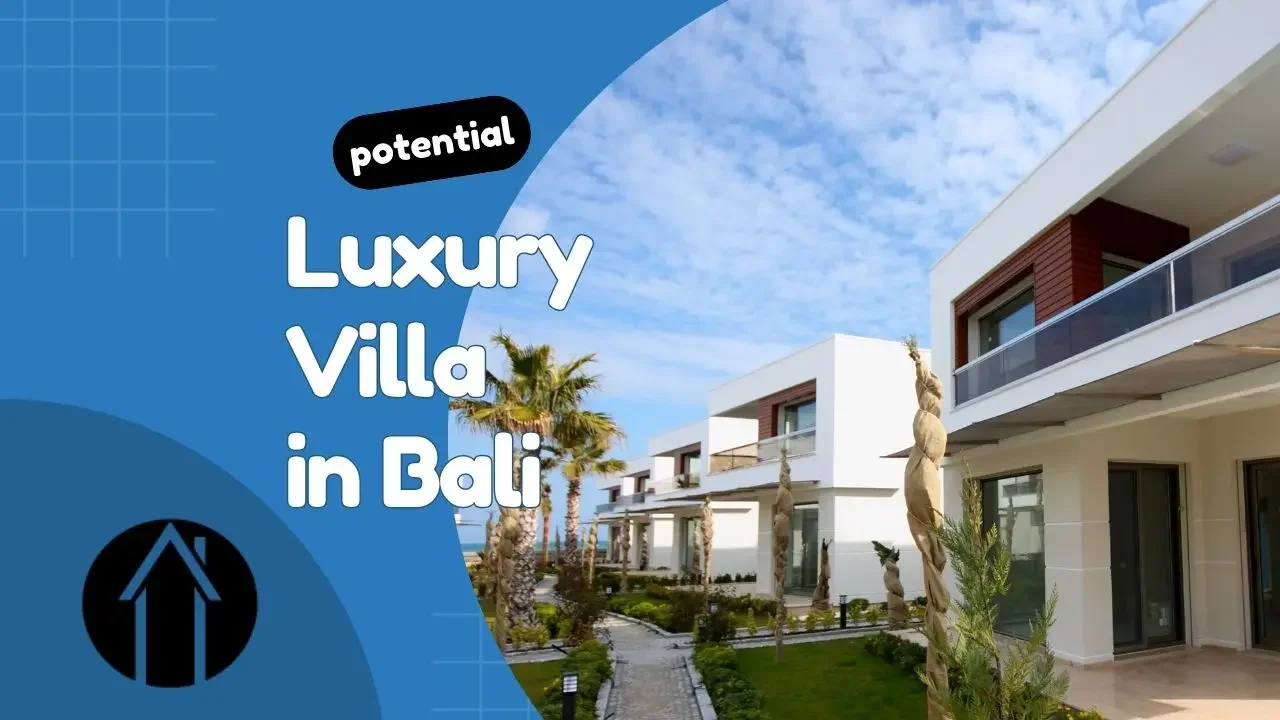
Luxury villas in Bali occupy a unique position in the hospitality market.
They are not simply larger versions of standard rental properties. In many cases, they function more like boutique hospitality experiences, where architecture, service, atmosphere, and guest perception all influence performance.
As Bali’s tourism market becomes increasingly competitive, the gap between average villas and truly high-performing luxury properties continues to grow.
The difference is rarely just about budget. It is usually about strategy.
Why Luxury Villas Continue to Attract Investors
The luxury segment remains attractive because it targets guests seeking:
privacy
exclusivity
personalized experiences
visually distinctive spaces
This audience is often less price-sensitive and more experience-driven than mass-market travelers.
For investors, that creates opportunities for stronger positioning and long-term brand value.
Luxury Is No Longer Defined Only by Size
A large villa alone is no longer enough to compete in Bali’s premium market.
Today’s guests increasingly associate luxury with:
thoughtful design
emotional atmosphere
seamless service
curated experiences
Some of the most successful luxury villas are not necessarily the biggest—but the most intentional.
The Role of Architecture in Luxury Performance
Architecture plays a major role in how luxury villas are perceived online and experienced in person.
Strong-performing properties often focus on:
indoor–outdoor flow
natural light
visual framing of views
unique architectural identity
Design is not just aesthetic, it shapes emotional response and booking behavior.
Experience Is the New Luxury
The luxury market has shifted toward experience-driven hospitality.
Guests increasingly value:
personalized service
wellness elements
privacy and tranquility
memorable social spaces
This is why luxury villa investments often perform best when operations and guest experience are considered from the beginning—not added later.
Why Generic Luxury Villas Struggle
One of the biggest misconceptions in Bali’s villa market is that expensive automatically means desirable.
In reality, many high-budget villas underperform because they:
lack clear positioning
feel visually generic
offer inconsistent service
fail to create emotional connection
Luxury travelers have become far more selective.
Location Still Matters — But Differently
Different areas support different luxury concepts.
Uluwatu continues attracting ocean-view and cliffside luxury developments
Ubud appeals to wellness-focused retreat experiences
Canggu blends luxury with lifestyle and social energy
Seminyak remains attractive for established premium tourism
The most successful investors choose locations that align naturally with their intended guest experience.
Operational Quality Defines Long-Term Success
Luxury guests expect more than beautiful architecture.
Operational consistency becomes critical in areas such as:
housekeeping standards
response speed
maintenance quality
concierge experience
Inconsistent hospitality is often what separates short-term excitement from long-term performance.
The Importance of Brand Positioning
Many luxury villas now compete not just as accommodations, but as brands.
This includes:
visual identity
storytelling
curated atmosphere
digital presentation
The villas that stand out online usually have a clear personality and recognizable identity.
Why Integrated Development Matters
One of the biggest advantages in luxury villa investment comes from alignment.
When concept, design, construction, and operations are disconnected, the final experience often feels fragmented.
Integrated development creates consistency across:
architecture
functionality
hospitality flow
long-term maintenance
This is one reason why experienced investors increasingly prefer working with teams that understand both development and hospitality operations.
Companies like Villasa approach luxury villas as complete hospitality ecosystems, helping investors connect design, build quality, management, and guest experience into a unified strategy.
Common Mistakes in Luxury Villa Investment
Some recurring issues include:
prioritizing trends over timeless design
overspending on visuals while neglecting operations
creating properties without clear target audiences
underestimating the importance of maintenance and staffing
Luxury performance depends on balance, not excess.
FAQ — Luxury Villa Investment in Bali
Are luxury villas in Bali still a good investment?
Yes, especially when supported by strong positioning, design, and operational quality.
What defines a luxury villa today?
Luxury is increasingly defined by experience, design quality, and personalized hospitality rather than size alone.
Which Bali areas are best for luxury villas?
Uluwatu, Ubud, Seminyak, and selected parts of Canggu remain strong for different luxury segments.
Do luxury villas require more operational management?
Yes. Guest expectations are significantly higher in the luxury segment.
Can luxury villas generate stronger long-term performance?
Well-positioned luxury villas often benefit from stronger branding and pricing flexibility over time.
Building Luxury Around Experience, Not Just Appearance
Luxury villa investment in Bali continues to evolve alongside traveler expectations.
The strongest-performing properties are no longer simply expensive homes with pools—they are carefully designed hospitality experiences built around atmosphere, service, and emotional connection.
For investors, this means thinking beyond architecture alone and focusing on how every element of the property works together over time.
In Bali’s premium market, luxury is not created by scale alone. It is created by intention, execution, and consistency.