
How to Start a Vacation Rental Business From Zero
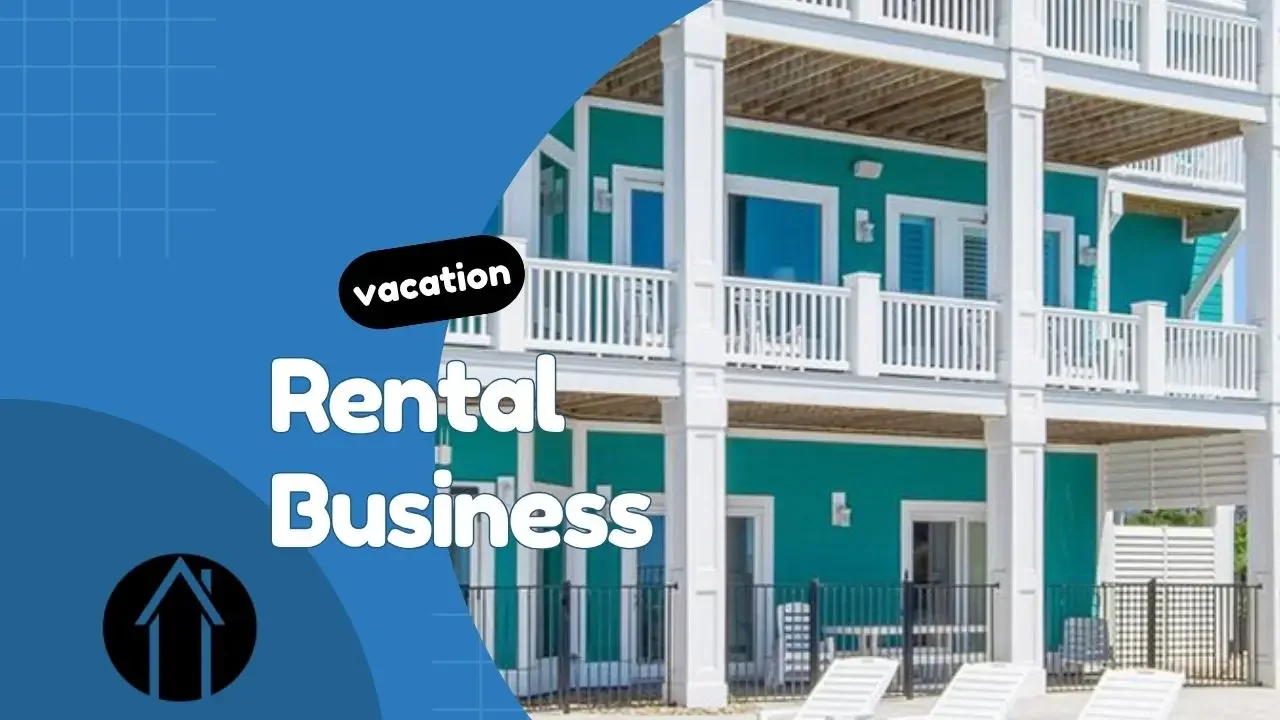
Starting a vacation rental business means turning a property into a revenue-generating operation — and the most successful ones are planned that way from day one, not retrofitted later. The path runs from concept and market choice, to acquiring or building the right property, to setting up the operations that actually make it profitable. Get the sequence right and you build an asset; get it backward and you buy a liability.
We do this work end to end — concept, design, build, manage, and the guest experience — so we've watched what separates the rentals that thrive from the ones that quietly lose money. Here's the path from zero, written for U.S. investors who want to do it properly.
What is a vacation rental business?
A vacation rental business is the operation of one or more short-term rental properties as a real income source — not just listing a spare home and hoping. It treats the property as a product: a defined market, a target guest, a brand and presentation, a pricing strategy, and an operating system behind it. That mindset is what turns a vacation home into a business.
Step 1: Start with the concept, not the property
The most common mistake is buying first and figuring out the strategy later. Reverse it.
Decide who your guest is and what experience you're selling before you fall in love with a building. A clifftop honeymoon villa in Bali and a ski-in family lodge in Jackson Hole are completely different businesses with different guests, seasons, price points, and operations. The concept drives every decision that follows — location, design, size, and budget. This is exactly the thinking behind building a villa investment from concept to guest experience.
Step 2: Choose the market
Location does more for your returns than almost anything else. The strongest vacation rental markets share a few traits: durable demand, limited supply, and a guest who pays for quality.
Bali and the Jackson Hole region are good illustrations of two different strong markets — one a year-round international destination, the other a scarcity-driven mountain market with two peak seasons. If you're weighing where, our guide to the best areas to invest in Bali villas shows how much area choice changes the math.
Step 3: Build or buy the right property
Once the concept and market are set, you either acquire an existing property or develop one.
Buying gets you to revenue faster and lets you inspect what you're getting. Building lets you design the property around your exact guest and operating model, which often produces a better-performing asset — but it takes time and a team you trust on the ground. For investors developing in a market like Bali, where foreign ownership runs through leasehold or a PT PMA company, the structure and the build both need local expertise. We cover the build path in how to build a villa in Bali as an international investor.
Step 4: Set up the operation
This is where a vacation rental becomes a business, and where DIY owners most often fall short. A working operation needs:
A pricing and distribution strategy — the right channels and dynamic rates, not a flat price all year.
Guest experience systems — smooth check-in, fast communication, and the touches that earn five-star reviews.
Cleaning, turnovers, and maintenance — reliable, hotel-grade, every single time.
Compliance — local short-term rental rules, licensing, and taxes for your specific market.
Reporting — so you actually know how the business is performing.
Reviews and occupancy are downstream of how well this runs. A beautiful property with weak operations underperforms a plainer one that's run tightly.
Step 5: Decide how hands-on you'll be
Be honest about your own capacity. Running a vacation rental well is a real job, and running one remotely is harder still. Many serious investors choose to own the asset and hand the operation to a management partner, so the business performs without consuming their week. We make the broader case in how to choose the right vacation rental management company.
The bottom line
A vacation rental business is built in the right order: concept first, then market, then the property, then the operation. U.S. investors who plan it as a business from zero — and put real management behind it — end up with an asset that performs through seasons and years. The ones who buy a pretty property and improvise the rest usually learn these steps the expensive way.
Frequently asked questions
How do I start a vacation rental business?
Start with the concept and target guest, choose a strong market, acquire or build the right property, set up the operation (pricing, guest experience, cleaning, maintenance, compliance, and reporting), then decide how hands-on you'll be versus using a management partner.
Is a vacation rental business profitable?
It can be, in the right market with the right operation. Profitability depends on location, demand, your cost structure, and how professionally the property is run. Strong markets with limited supply and affluent guests support better and more durable returns.
Should I buy or build a property for a vacation rental business?
Buying reaches revenue faster and lets you inspect the asset. Building lets you design around your exact guest and operating model for potentially better performance, but it takes longer and needs a trusted local team, especially in markets with foreign-ownership rules like Bali.
Do I need a license to run a vacation rental?
Most markets have specific short-term rental rules, licensing, and taxes that vary by location. Confirm the requirements for your exact property and zone before launching, ideally with local legal guidance.
Can I run a vacation rental business remotely?
Yes, but it's demanding. Many investors own the property and use a professional management partner to handle operations, so the business performs without requiring them to be on call across time zones.