
Understanding Bali Villa Management and How It Drives Long-Term Investment Performance
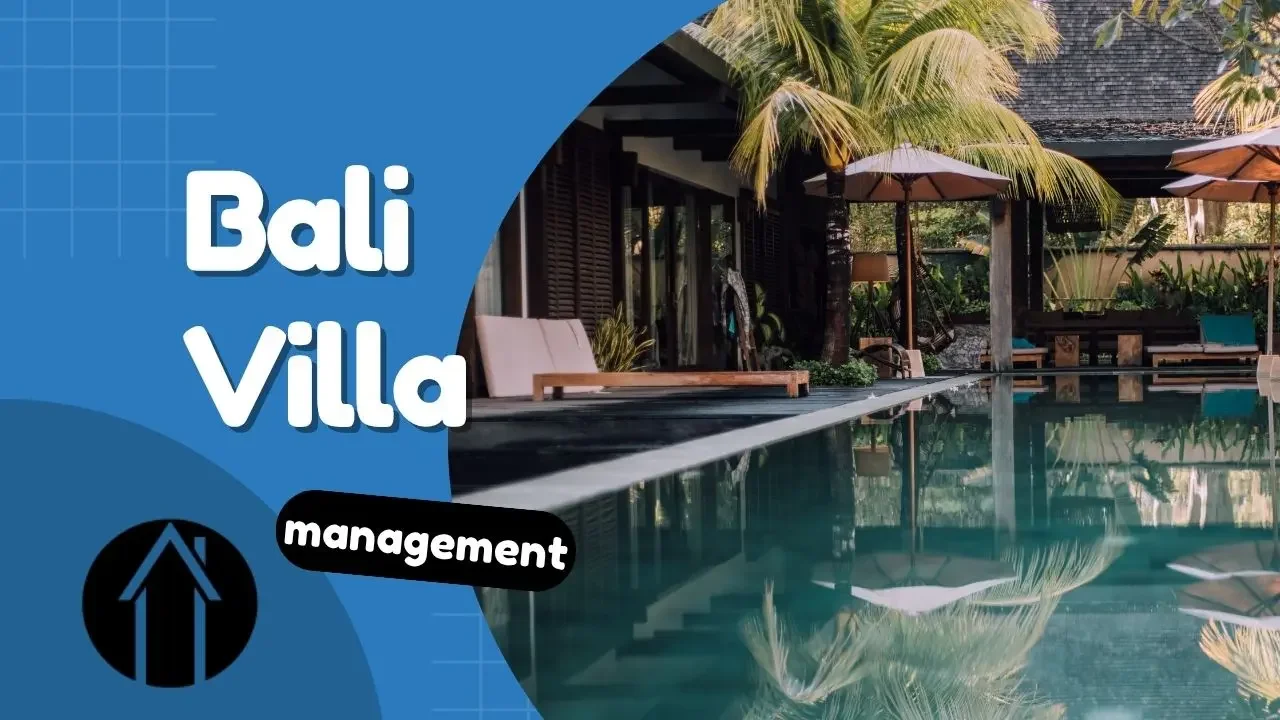
Over the past decade, Bali has emerged as one of the most attractive destinations for lifestyle-driven real estate investment. International buyers, particularly from the United States and Europe, are increasingly drawn to Bali’s strong tourism demand and unique villa-based hospitality market.
Yet while many investors focus on acquiring or building a villa, fewer fully understand what determines long-term performance.
The answer is simple: Bali villa management.
A villa in Bali is not just a property. It is a hospitality asset, and its success depends on how it is operated, maintained, and positioned in the market.
What Is Bali Villa Management
At its core, Bali villa management refers to the full operation of a property as a short-term rental business.
This includes:
guest experience and concierge services
pricing and revenue optimization
housekeeping and maintenance
staff management and training
booking and distribution strategy
Unlike traditional property ownership, villa management requires ongoing operational involvement. It is closer to running a boutique hotel than owning a residential home.
Why Owning a Villa in Bali Is Not a Passive Investment
Many first-time investors assume that once a villa is built or purchased, income will follow naturally.
In reality, this is rarely the case.
Operating a villa remotely presents several challenges:
coordinating staff and daily operations
maintaining consistent service standards
handling guest communication across time zones
ensuring property upkeep in a tropical climate
As discussed in vacation rental business, villa ownership in Bali functions as an active hospitality operation rather than a passive real estate investment.
Without structured management, even well-located properties may underperform.
The Core Components of Bali Villa Management
Successful villa management is built on several interconnected elements.
Guest Experience
Guest satisfaction is one of the most important drivers of performance. This includes:
smooth check-in and communication
personalized services
fast response to requests
Positive experiences lead to better reviews, which directly impact bookings.
Revenue Management
Pricing strategy plays a critical role in profitability.
This involves:
adjusting rates based on seasonality
optimizing pricing across booking platforms
balancing occupancy and nightly rates
Effective revenue management ensures that villas remain competitive while maximizing income.
Maintenance and Operations
Bali’s tropical environment requires ongoing maintenance.
This includes:
pool systems and water quality
landscaping and pest control
repairs and preventive maintenance
Neglecting these areas can quickly reduce both guest satisfaction and asset value.
Staffing and Training
Villa operations rely heavily on staff.
From housekeeping to guest services, well-trained teams are essential for maintaining consistent hospitality standards.
How Villa Management Directly Impacts Revenue
Not all villas in Bali perform equally—even within the same location.
Key performance metrics include:
Average Daily Rate (ADR)
Occupancy rate
Guest reviews and ratings
Properties with professional management often achieve higher performance across all three.
This is particularly evident in the market for Bali luxury villas for rent, where well-managed properties consistently command premium pricing and stronger occupancy.
The Role of Design in Villa Performance
While management is critical, design also plays a major role in performance.
High-performing villas often feature:
open indoor–outdoor layouts
private pools with scenic views
strong natural lighting
visually distinctive architecture
As explored in Bali private villas, design directly influences booking decisions in today’s digital travel environment.
However, design alone is not enough, operations must support the experience.
From Private Villas to Resort-Level Hospitality
The Bali market has evolved significantly. Many villas are no longer standalone properties but operate as part of a broader hospitality ecosystem.
This shift is reflected in the rise of villa resorts Bali, where multiple villas are managed under a unified operational structure.
In these models:
service standards are consistent
guest experiences are curated
branding and positioning are centralized
This evolution highlights how villa management has become increasingly sophisticated.
The Operational Challenges for Overseas Investors
For international owners, managing a villa in Bali comes with additional complexity.
Common challenges include:
distance and time zone differences
language barriers
lack of on-site oversight
difficulty maintaining service consistency
Without reliable systems and local expertise, these challenges can affect both performance and long-term asset value.
Why Professional Villa Management Is Essential
Professional villa management addresses these challenges by introducing structure, consistency, and expertise.
Benefits include:
optimized pricing and revenue strategy
consistent guest experience
proactive maintenance systems
transparent reporting for owners
As seen across the broader Bali resorts market, properties that operate with professional standards are better positioned to compete in an increasingly sophisticated hospitality environment.
An Integrated Approach to Villa Management
The most effective villa investments follow a structured lifecycle:
Concept → Design → Build → Manage → Experience
Each stage influences the next.
Concept defines the target market
Design shapes guest experience
Construction impacts durability
Management drives performance
Experience builds long-term value
When these elements are aligned, villas can function as fully integrated hospitality assets rather than isolated properties.
Managing Both Villas and Hotel-Style Properties
Bali’s hospitality market is no longer divided strictly between hotels and villas.
Today, many properties operate in hybrid formats, including:
boutique resorts
villa complexes
hotel-style developments with private pools
As explored in Bali hotel with private pool, many “hotel” accommodations are now villa-style units designed to offer privacy alongside resort-level services.
This convergence requires management teams that understand both villa operations and hotel hospitality standards.
Bali Villa Management as the Foundation of Investment Success
Bali continues to offer strong opportunities for international investors. Demand for private accommodations remains high, and travelers increasingly seek personalized, experience-driven stays.
However, long-term success is not determined by location alone.
It depends on execution.
Bali villa management is the foundation that connects every aspect of a property, from design and construction to daily operations and guest experience.
For investors looking to build or operate villas in Bali, working with experienced teams that understand both development and hospitality can significantly improve outcomes.
Companies such as Villasa support investors across the full lifecycle of villa ownership, offering integrated services that include villa management, hotel management, development coordination, and guest experience operations.
With the right strategy and management approach, a villa in Bali can become more than a property; it can become a high-performing hospitality asset in one of the world’s most dynamic travel markets.